What should be decided before you book the Charlotte venue?
Start with the operating demands, not the floor plan. Before signing in Charlotte, define the attendance band, general session size, breakout count, meal format, exhibit or sponsor footprint, and the number of arrival waves you can actually support. Those decisions determine the room mix you need, the amount of pre-function space, whether registration can sit at the main entry, and how much back-of-house space production and catering will require. If your conference has a keynote plus three concurrent sessions, the venue must support a clear primary route from registration to general session and a second route that keeps breakout traffic from colliding with food service. For executive audiences, the best venue is rarely the biggest venue; it is the one that can absorb peak movement without creating bottlenecks at doors, escalators, or coffee stations.
How do you design registration so arrival does not jam the lobby?
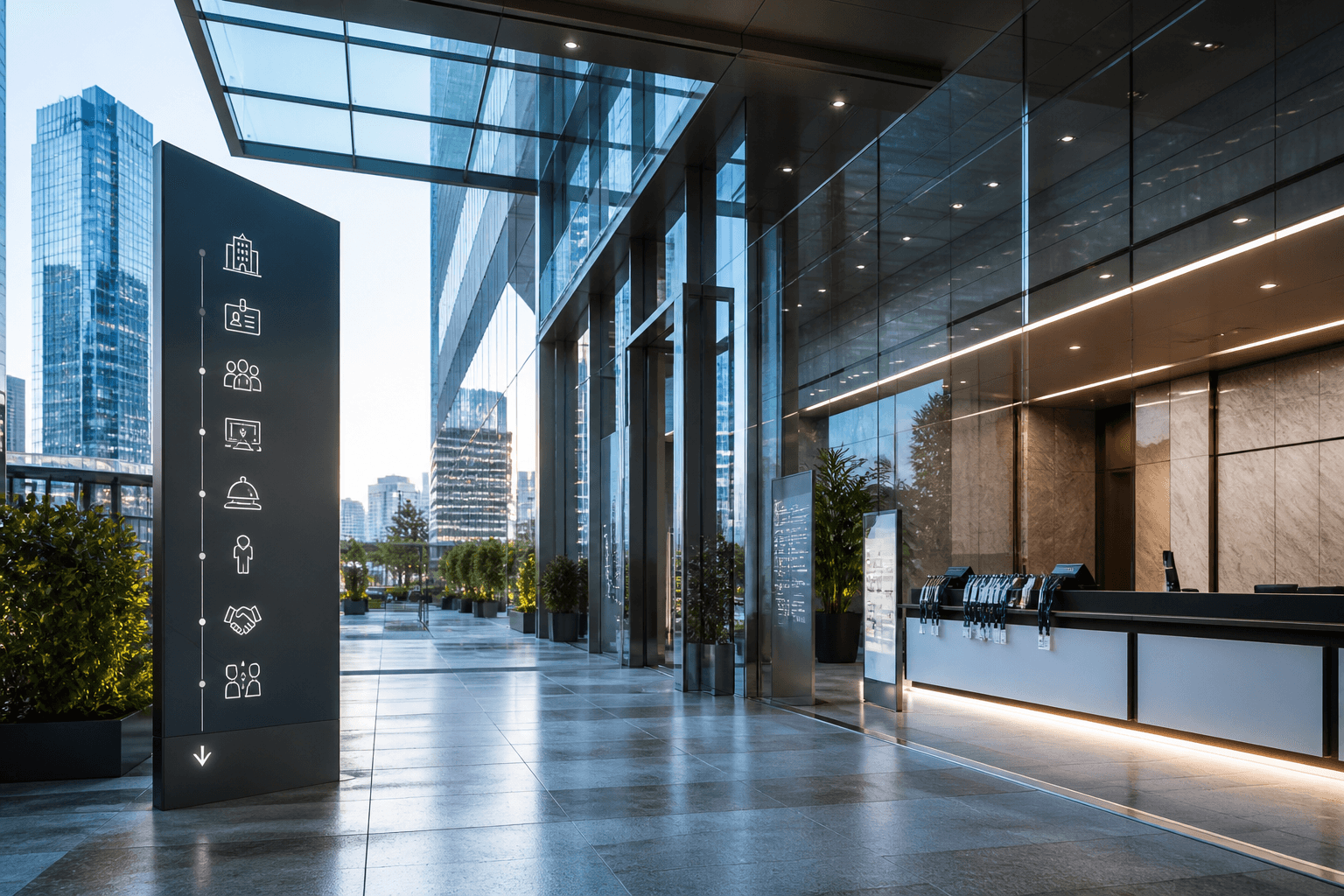
Registration should be built around peak-minute throughput, not total headcount. A practical planning target is one staffed check-in position for about 75 to 100 arrivals per hour when badge printing, payments, and support questions are minimal; cut that estimate in half if on-site corrections are likely. Staggered arrival windows reduce pressure more effectively than extra volunteers alone. For example, VIPs and speakers should arrive 30 to 45 minutes before the main wave, while exhibitors or sponsors need a separate window if they require move-in access. Keep wayfinding simple: one visible entry decision, one badge issue point, and one clear handoff to the general session or pre-function zone. If registration, coffee, and sponsor check-in all happen in the same narrow corridor, you have not created convenience; you have built congestion.
How should sessions be sequenced to protect the run of show?
The session schedule needs to follow room turnover realities. Avoid back-to-back breakouts that start at the exact minute a prior room is clearing, especially when you have large rooms, printed signage changes, or live AV resets. Build a minimum of 15 minutes between sessions for standard room flips and 20 to 30 minutes when stage dressing, speaker changes, or sponsored content are involved. General sessions should anchor the day because they absorb the largest crowd movement and set the timing for catering, sponsor visibility, and speaker cues. If you expect attendees to move between two or more breakout zones, cluster those rooms near each other so the circulation pattern is obvious and easier to police. A strong show flow is less about filling every minute and more about preserving buffer for human movement and technical resets.
What production decisions need to be locked before content is finalized?
Production should be informed by room geometry, sightlines, and the speaking format. Finalize the stage position, screen count, confidence monitor placement, microphone strategy, and front-of-house mixing location before locking the final agenda, because those choices affect how speakers move, where cameras can operate, and how sponsors will be seen on stream or from the room. In Charlotte conference venues with large ballrooms, the most common mistake is assuming the front of the room can absorb every need. If sponsor remarks, awards, or leadership interviews are part of the program, the show caller needs a written cue sheet that identifies exactly when the room dims, when walk-up music stops, who controls slides, and who gives the clear to begin. The production plan should also note when catering service is paused so sound checks do not overlap with a coffee reset or plated meal delivery.
How do catering timing and speaker timing stay out of each other’s way?
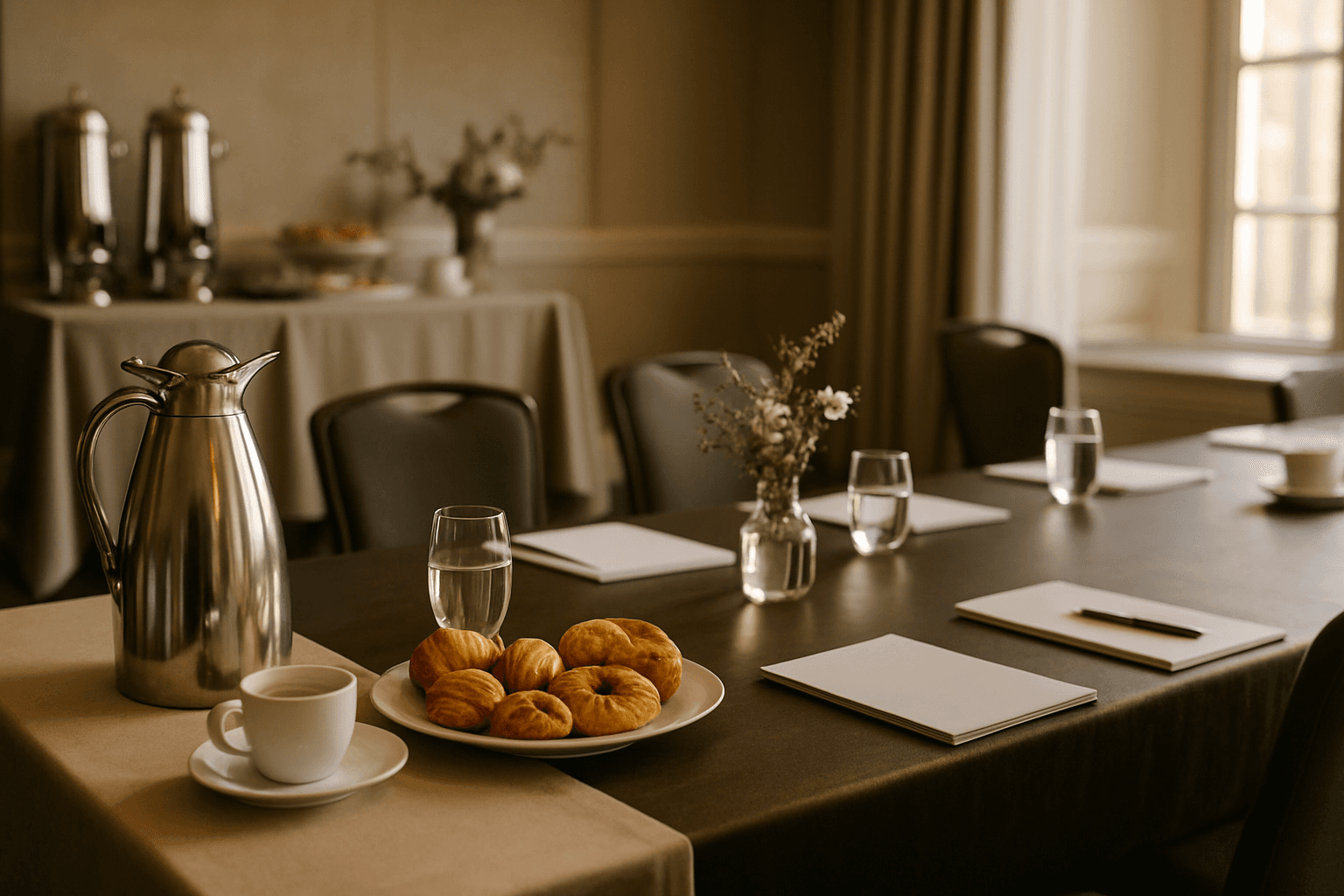
Catering is part of show flow, not a separate workstream. Decide where food is eaten, when it is released, and whether attendees need to return to their seats before the next speaker. For breakfast, a 20- to 30-minute service window is usually enough if coffee is pre-set and entrée pickup is organized on both sides of the room. For lunch, build in enough time for the first wave to sit, not just to collect plates; otherwise, the next session begins with attendees still moving. Speaker timing should be protected by hard holds in the run of show: a 10-minute warning, a 5-minute warning, and a firm end cue. If a sponsor activation or networking break sits between sessions, define the physical boundary of that break so attendees know whether they should remain in the ballroom, exit to pre-function, or move to a different level. Clear timing beats improvisation every time.
How should sponsors fit into the plan without disrupting the conference?
Sponsors work best when their value is mapped to attendee movement rather than treated as a logo requirement. Place high-value sponsors where dwell time naturally occurs: registration, coffee, meal transition points, or the route into the general session. Avoid placing sponsor assets in dead corners where people will not stop. If you have multiple sponsors, assign each one a function in the flow so the area feels purposeful rather than crowded. A sponsor desk that also serves as a question point or product demo station needs enough frontage for a queue of three to five people without blocking circulation. Make sure sponsor staffing times align with the conference’s actual traffic peaks, not a generic all-day schedule. If the sponsor experience requires quiet, protect it from adjacent AV testing or buffet replenishment.
What does the attendee movement plan need to show on-site?
The attendee movement plan should show how people move at every transition point: arrival, badge pickup, general session entry, breakout changeover, meal service, sponsor engagement, and departure. Mark the highest-risk choke points first: elevator banks, escalators, narrow hallway turns, and room doors that open into public corridors. Each of those points needs a decision about staffing, signage, or timing. Use the venue’s natural landmarks as guidance, but do not rely on memory alone; create a simple route map that attendees can read in seconds. If your conference spans more than one level, the vertical movement matters as much as room assignment. The goal is to prevent what operations teams call “micro-delays,” the small pauses that cascade into late sessions, backed-up coffee lines, and missed speaker cues. Good circulation planning is invisible when it works and immediately obvious when it fails.
What final checks keep the day from slipping?
The final run-through should happen with the people who control movement, not just the people who built the agenda. Confirm the load-in schedule, registration open time, speaker arrival order, catering delivery sequence, AV cue points, sponsor setup window, and room reset deadlines in one live review. Then walk the route as an attendee would: enter, badge, move to session, break for food, return, and exit. If any transition requires a question mark, fix it before doors open. A strong rule of thumb is that any event element affecting more than one department should appear on the master run-of-show and the venue event order, not only in a planner’s working notes. That is how a Charlotte conference stays coordinated when the room fills faster than expected or a speaker arrives early.
Need a tighter Charlotte conference operating plan?
If your team needs help aligning the venue, show flow, and on-site execution plan, Contact Nexa Events: https://nexaevents.com/contact-us