How to Plan an Executive Breakfast in Charlotte
A practical Charlotte guide to planning an executive breakfast with a focused agenda, smooth arrival flow, thoughtful hospitality, and a clear business outcome.
Plan a Charlotte product launch that aligns audience strategy, staging, guest experience, and follow-up. This guide covers the operational decisions that help brands create momentum and convert attention into business results.
Plan a Charlotte corporate gala that feels polished, purposeful, and memorable. This guide covers guest experience, program pacing, production, and hospitality decisions that help organizations create a more strategic event.
Plan a Charlotte product launch that aligns audience strategy, staging, guest experience, and follow-up. This guide covers the operational decisions that help brands create momentum and convert attention into business results.
A product launch is more than a presentation. It is a business moment designed to create awareness, shape perception, and motivate action. In Charlotte’s competitive corporate environment, the event must communicate value quickly while giving guests a clear reason to care. The planning process should begin with business goals: Is the launch meant to generate leads, support distributor relationships, introduce internal teams to the market narrative, or secure media and partner attention? Once that goal is defined, every other choice becomes easier to evaluate. The guest list, venue, run-of-show, content, and hospitality should all reinforce the same message. A disciplined plan also reduces risk. When leadership, sales, marketing, and operations are aligned early, the event can move from a creative concept to a coordinated experience that feels intentional and credible.
The strongest launches are designed around audience behavior, not just a preferred venue or visual style. Start by identifying who needs to be in the room and what each segment should leave knowing, feeling, and doing. A launch for customers may emphasize product benefit and live demonstration, while a launch for partners may focus on market positioning and distribution support. Internal audiences may need clarity on the company story and how to speak about the release consistently. In Charlotte, where companies often serve regional, national, and relocating executive audiences, this definition matters even more. It influences timing, RSVP strategy, and the level of formality expected. A concise audience map helps ensure the event does not become too broad to be memorable. Instead, it becomes a carefully structured experience that meets each group where they are.
Venue selection should be treated as a strategic decision, not a decor decision. The right Charlotte space supports the product’s positioning, guest comfort, and operational flow. Consider ceiling height for lighting and staging, loading access for setup, acoustics for presentations, and space for networking before and after the reveal. A venue should also fit the tone of the brand. A polished corporate setting may communicate innovation and discipline, while a more flexible event space may better support immersive demonstrations or a hands-on showcase. Practicality matters as much as aesthetics. Parking, wayfinding, accessibility, and arrival sequence affect how guests experience the brand before the program even begins. When the space matches the narrative, the product launch feels cohesive and executive-level.
The run-of-show is the operational backbone of the launch. It should balance pacing, anticipation, and clarity so the central reveal receives the attention it deserves. Too much programming can dilute the moment; too little can make the event feel underdeveloped. An effective structure often includes a concise welcome, an opening remark that frames the market opportunity, a product presentation, a reveal or demonstration, and a controlled transition into networking or hands-on exploration. Rehearsal is critical. Speakers should know not only their remarks but also how they move, where they stand, and when production cues occur. Technical timing, slide transitions, sound checks, and lighting shifts should be confirmed in advance. In a live setting, polished execution signals confidence in the product itself.
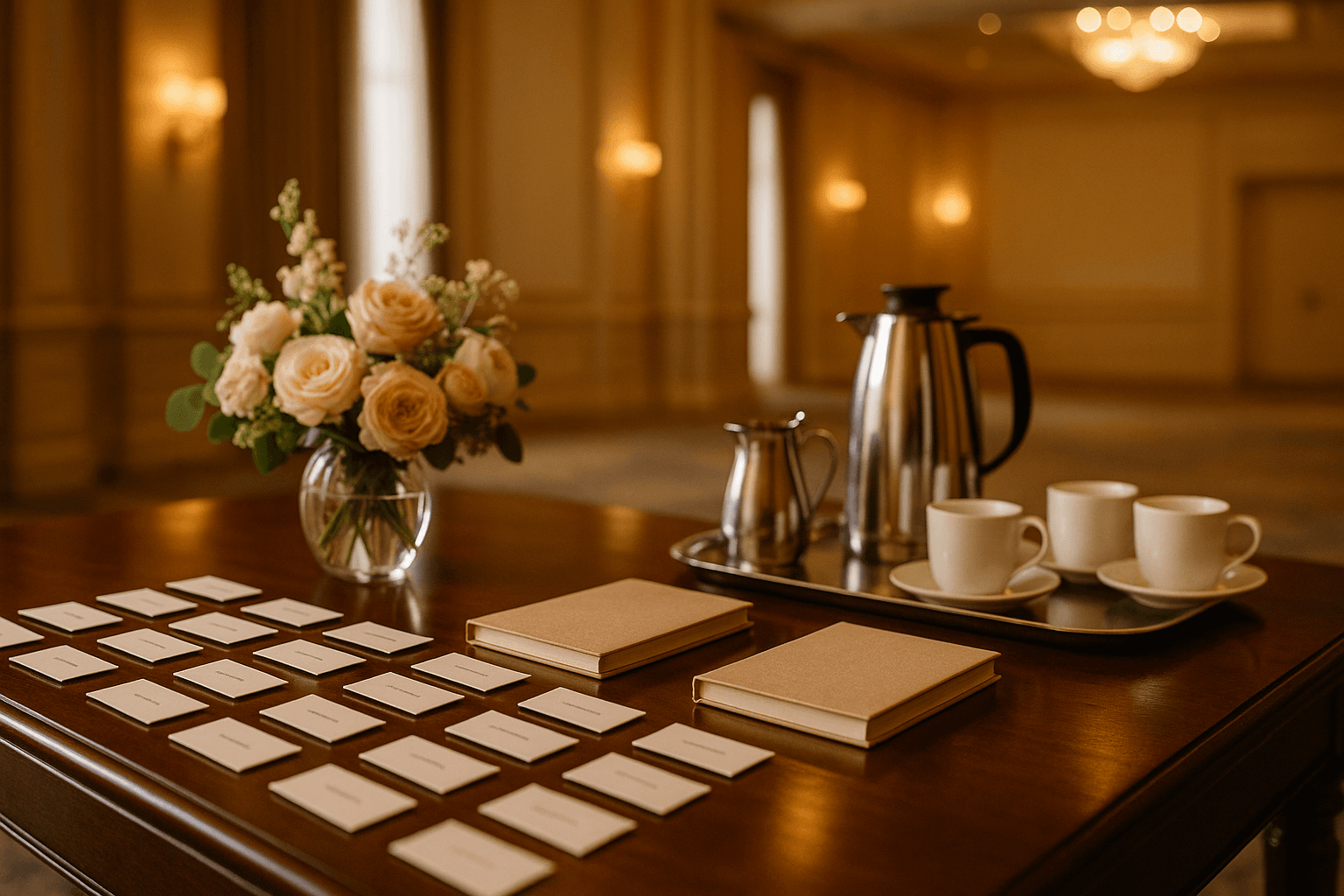
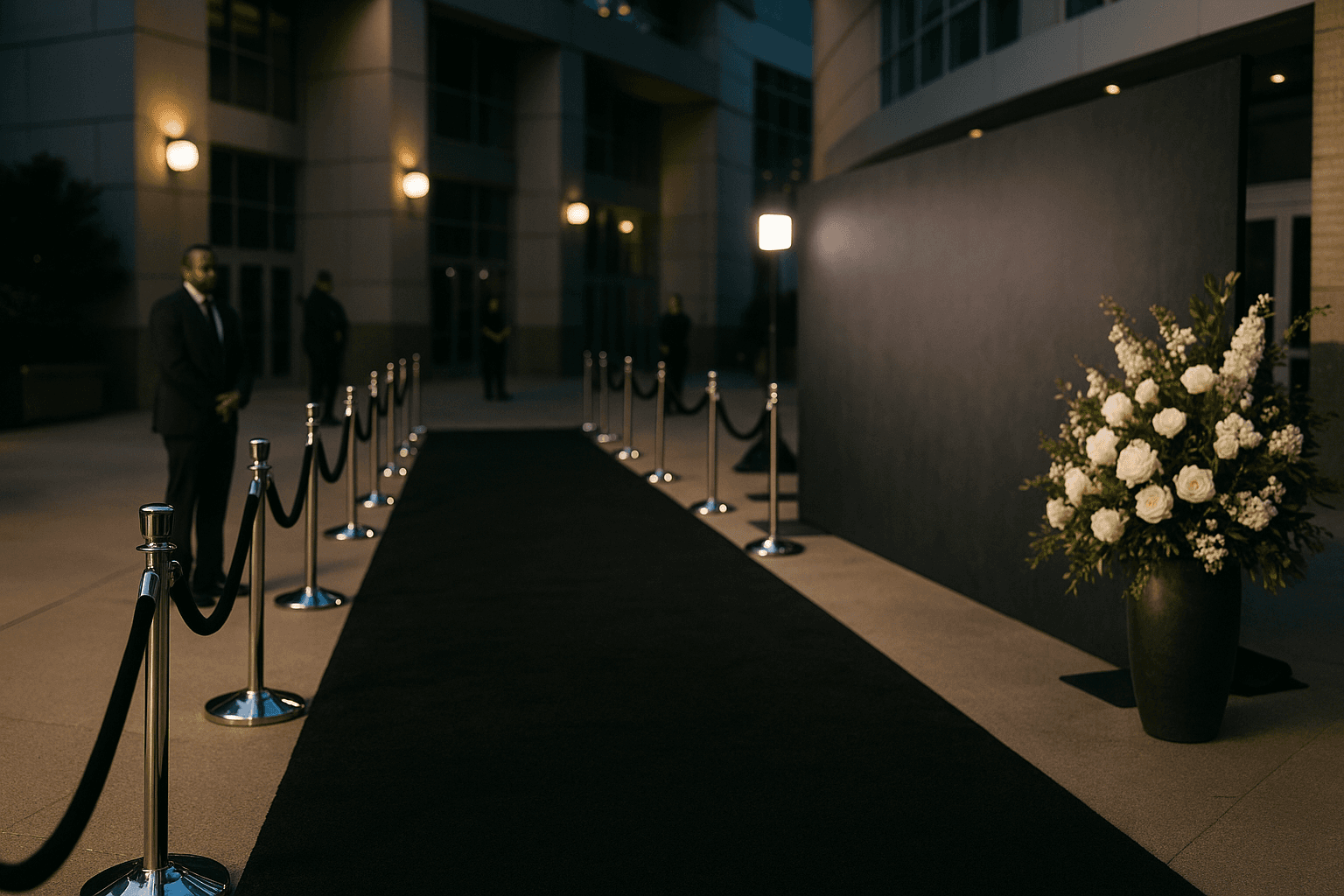
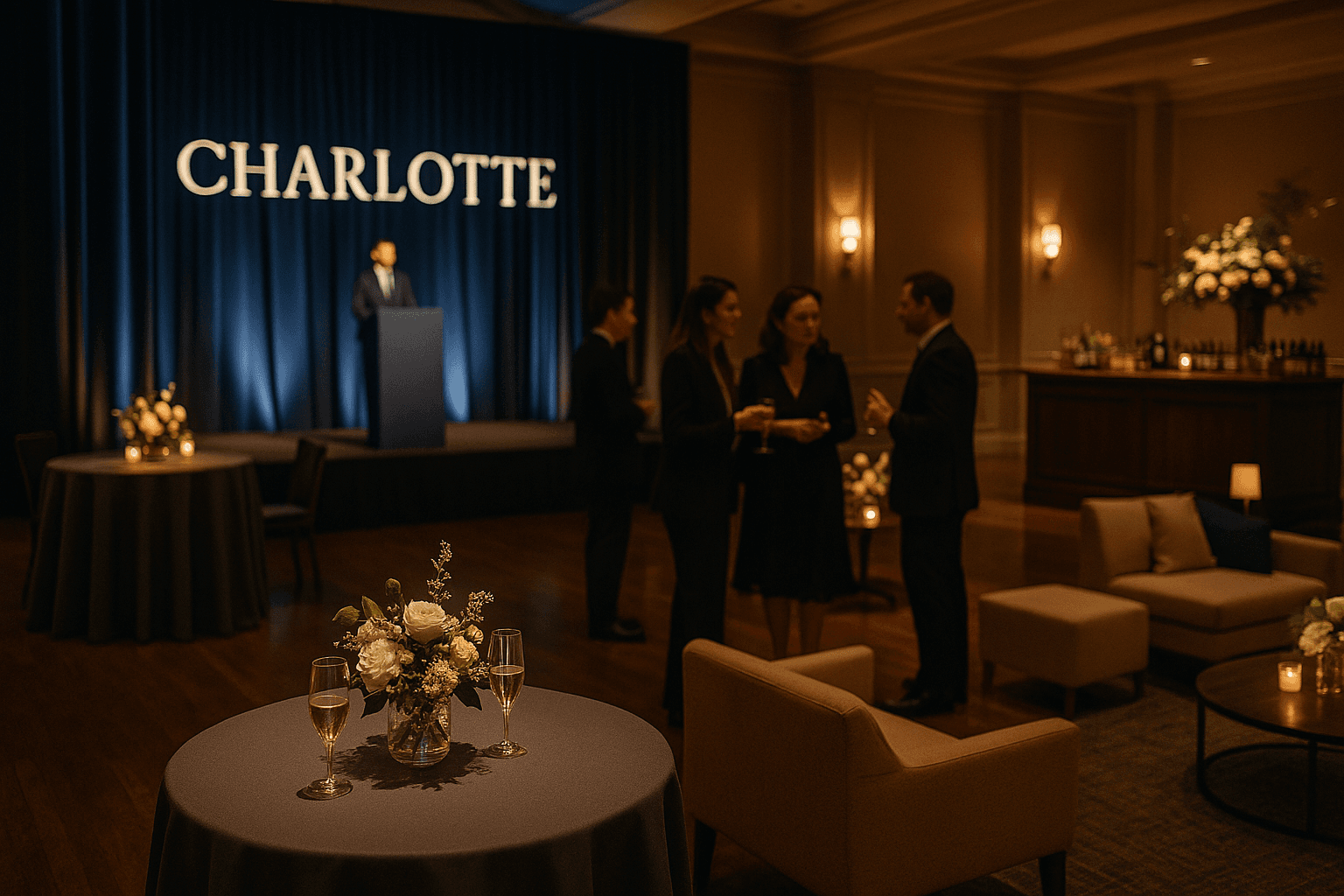
Guest experience is where strategy becomes tangible. The event should feel easy to navigate, welcoming, and intentionally branded at every touchpoint. That begins with clear pre-event communication, including arrival instructions, parking details, and expectations for the format. On-site, registration should be efficient and the first visual impression should reinforce the product story. Hospitality is not just about service; it is about reducing friction. Comfortable seating, intuitive signage, thoughtful refreshments, and well-timed transitions help guests stay engaged. For Charlotte companies hosting executives, partners, or clients, small details often carry disproportionate weight. A strong experience respects guests’ time while making the brand feel organized and considerate. When people feel well hosted, they are more likely to remember the message and continue the conversation afterward.
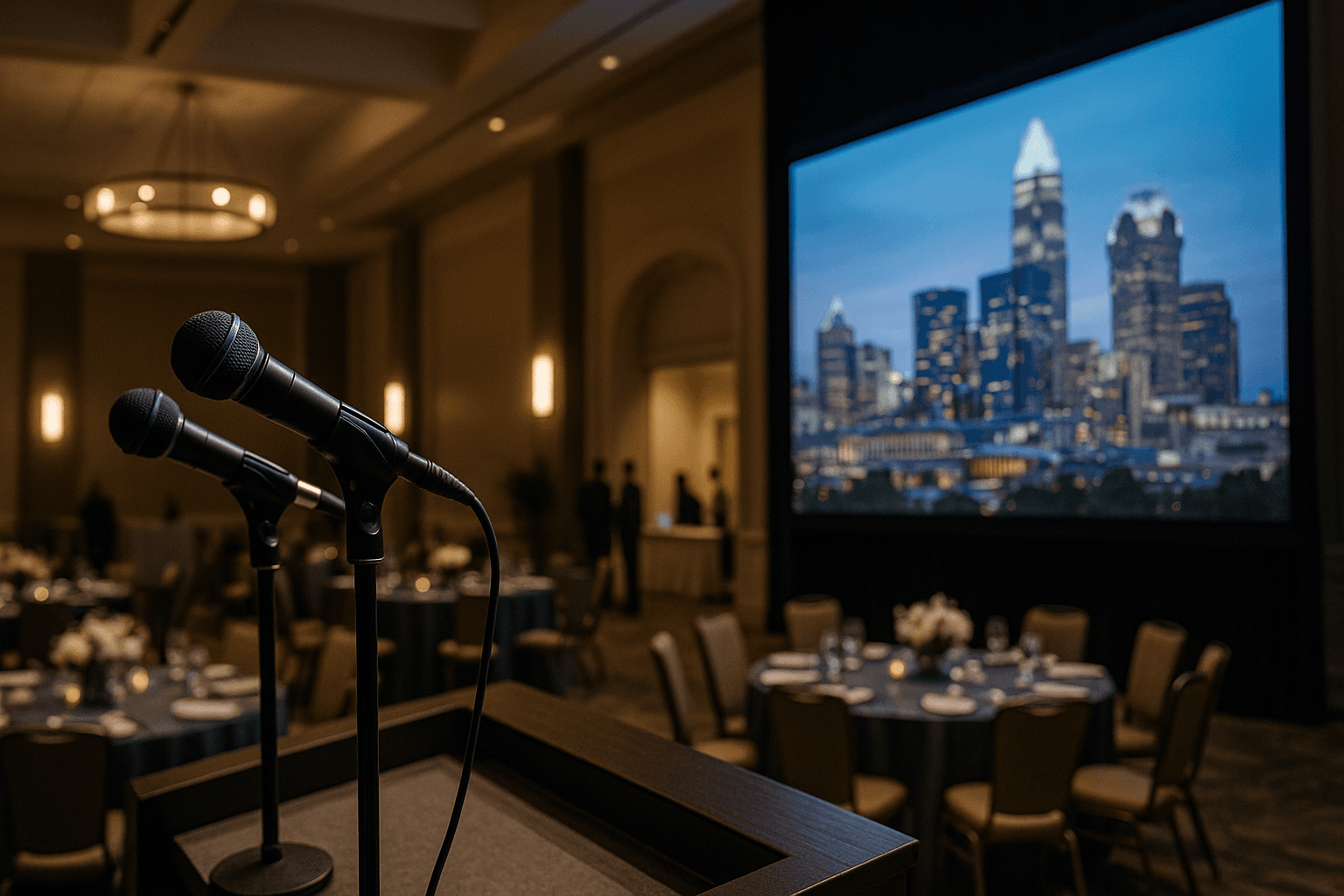
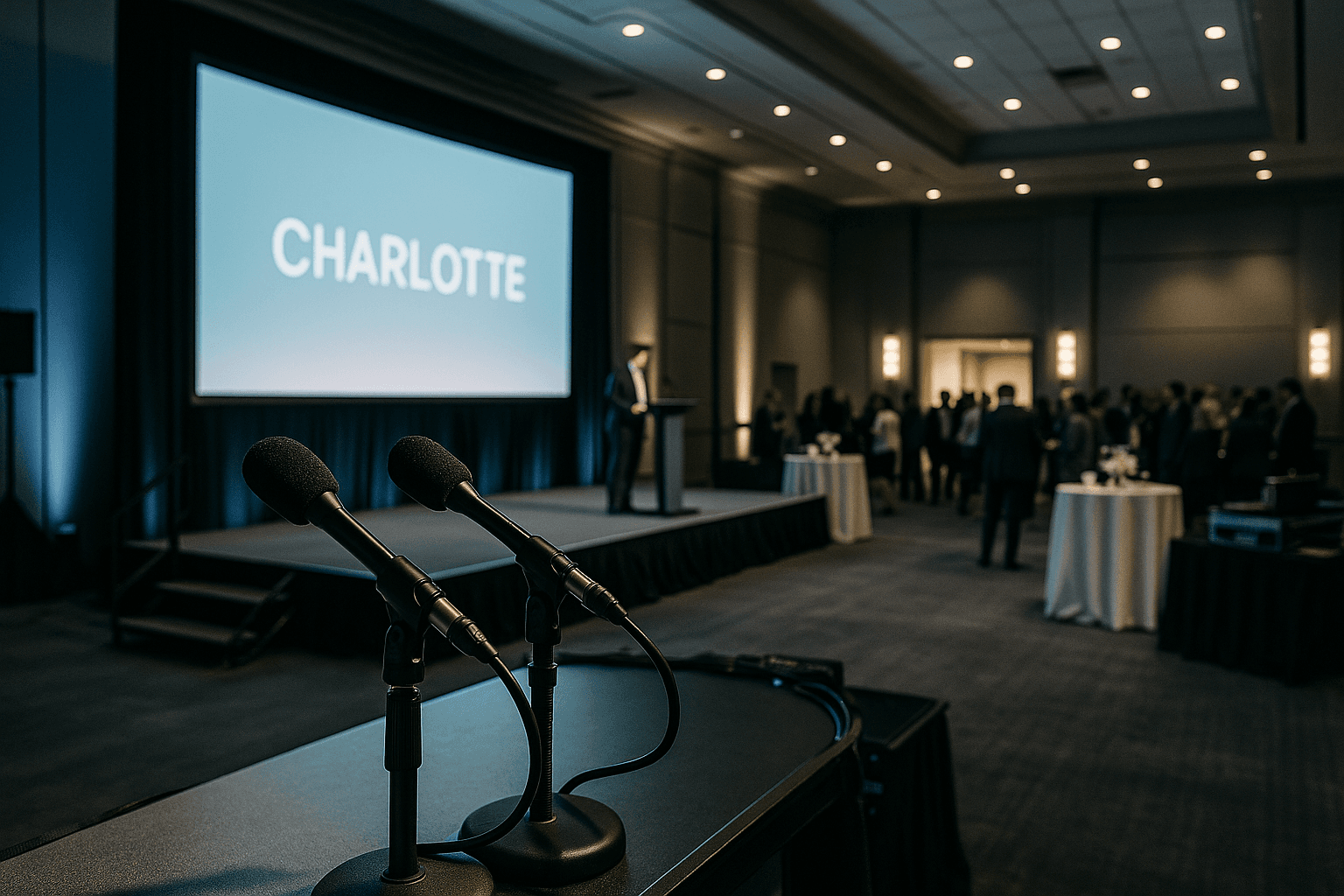
Production should support communication, not compete with it. Lighting, audio, scenic design, screens, and branded visuals all work best when they clarify the message and create focus. For a product launch, the stage should make the reveal moment unmistakable and the presentation easy to follow. If the event includes live demos, the setup must give attendees a clear line of sight while keeping the brand environment premium and uncluttered. The most effective production choices are grounded in purpose. For example, a dramatic entrance sequence may be appropriate for a consumer-facing announcement, while a clean, understated stage may be better for a B2B innovation launch. The goal is to create a setting where the product feels important, the content feels credible, and the audience can absorb the message without distraction.
A successful launch extends beyond the room. Follow-up should be planned as part of the event strategy, not treated as an afterthought. Decide in advance how the team will capture leads, route prospects, thank attendees, and continue the story after the reveal. That may include post-event emails, sales outreach, media assets, recap content, or partner-specific follow-up. The most useful follow-up is timely and segmented. Not every guest needs the same message, and not every message should be promotional. Some audiences need a recap of the product value proposition, while others need a direct next step such as a demo, meeting, or trial invitation. When follow-up is organized before the event, the launch has a better chance of translating attention into meaningful business momentum.
Charlotte teams often need a planning partner that can think like an operator and communicate like a strategist. That means coordinating venue logistics, guest flow, hospitality details, production requirements, and stakeholder priorities in a way that protects the business objective. Nexa Events helps clients think through the full launch lifecycle so the event feels aligned from the first invitation to the final follow-up. For organizations comparing launch formats or considering related corporate programming, it can also be useful to explore adjacent event strategies that support client relationship goals and broader corporate visibility. The result should be a launch that feels polished, purposeful, and ready for executive scrutiny.
If your team is preparing a launch in Charlotte, Nexa Events can help align the audience experience, venue flow, and production details that support a polished business outcome. Reach out to start the planning conversation.
A launch should ideally begin planning several months ahead, especially if venue availability, speaker coordination, production needs, or guest travel are involved. More complex launches benefit from an even earlier start so the team can align messaging and operations.
The most important part is alignment between the business objective and the guest experience. A launch should clearly communicate why the product matters and make it easy for attendees to engage with the next step.
A strong run-of-show typically includes arrival, welcome remarks, the main presentation, the reveal or demonstration, audience interaction, and a transition into networking or follow-up conversations.
Look for a venue that supports your audience size, brand tone, production needs, accessibility, and guest flow. Technical factors like acoustics, load-in access, and presentation sightlines are just as important as aesthetics.
Plan the follow-up process before the event happens. Segment guest communications, assign lead ownership, and prepare timely recap materials so interest from the launch can move into sales conversations.
Yes. A launch can strengthen client trust when it is well hosted, clearly organized, and designed to make guests feel informed and valued. The event can also serve as a platform for ongoing relationship-building after the reveal.