Plan a polished Charlotte conference with guidance on venue selection, agenda design, guest flow, production, and hospitality that supports both executive objectives and attendee experience.
Why Charlotte Is a Strong Market for Conferences
Charlotte offers a compelling mix of accessibility, business momentum, and modern hospitality infrastructure that supports corporate gatherings of many sizes. For planners, that means the city can accommodate executive meetings, client-facing seminars, leadership summits, and multi-day conference programs without sacrificing convenience or professionalism. Its airport access, central East Coast reach, and strong business community make it especially practical for regional and national audiences. The best conference plans in Charlotte take advantage of this balance by matching the venue and format to the audience profile, program goals, and level of service expected.
Start With the Meeting Objective, Not the Venue
A successful conference begins with clarity. Before comparing locations, define the event’s purpose: lead generation, education, internal alignment, partner engagement, product visibility, or executive networking. That objective should shape the room layout, agenda pacing, audiovisual requirements, and hospitality touchpoints. For example, a seminar built around learning may need tighter session timing, strong sightlines, and efficient transitions, while a leadership conference may benefit from more generous networking intervals and premium arrival experiences. When the purpose is clear, every planning decision becomes easier to justify and execute.
Choose a Venue That Supports Flow and Flexibility
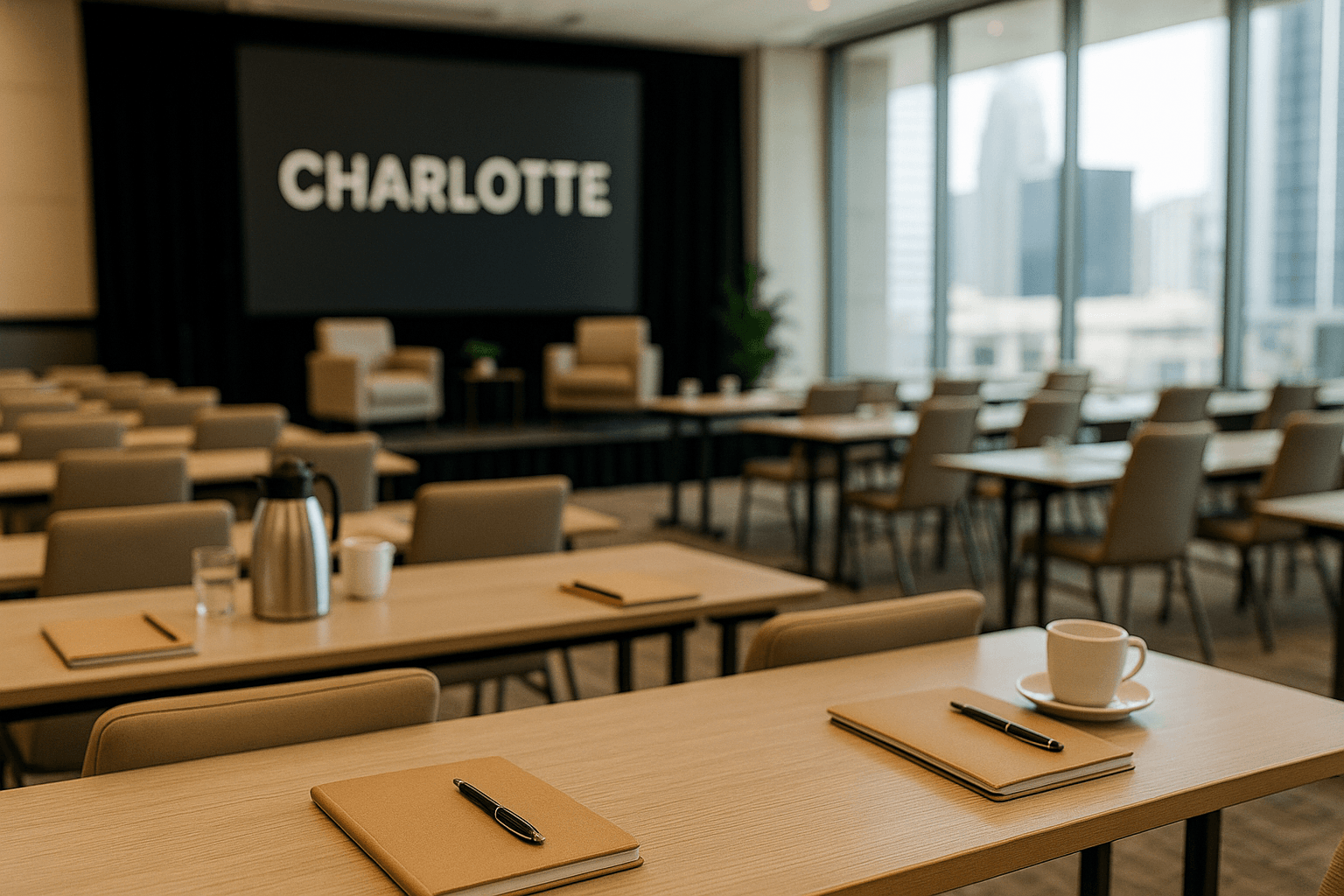
In Charlotte, the right venue is not only about aesthetic appeal. It should support your agenda, manage crowd movement effectively, and create a comfortable environment for speakers and attendees alike. Look for spaces that can accommodate registration, general session seating, breakouts, and hospitality without forcing awkward transitions. Ask whether the venue provides sufficient loading access, meeting rooms, storage, prep space, and technical support. It is also wise to assess how easily attendees can move between sessions and networking areas so the day feels intentional rather than fragmented. For venue strategy aligned with broader corporate programming, see our Charlotte corporate event planning services.
Charlotte corporate event planning
Design the Agenda Around Attention, Energy, and Outcomes
Conference agendas should be built around how people actually absorb information. Start with a strong opening that establishes purpose and momentum, then alternate between content-heavy sessions and opportunities to reset. Attendee energy tends to drop when programs are too dense, so even highly valuable content needs pacing, movement, and variety. Consider the role of keynote presentations, panel discussions, Q&A, and breakout sessions in shaping a rhythm that keeps the audience engaged. In Charlotte, where many conferences bring together busy professionals, respect for time and agenda discipline sends a clear message of organizational competence.
Manage Guest Flow From Arrival to Departure
Guest flow is one of the most overlooked drivers of attendee satisfaction. The experience begins at arrival, where signage, welcome staffing, and registration efficiency set the tone. It continues through badge pickup, session entry, meal service, and breaks, all of which should be planned to reduce bottlenecks and confusion. Consider how attendees will transition from the main program to breakout rooms or networking areas, and ensure the venue layout supports those movements naturally. A thoughtful flow plan also protects the speaker experience by keeping sessions on time and minimizing distractions. If you need a more concentrated format for executive audiences, explore Charlotte conferences and seminars for structure and support.
Charlotte conferences and seminars
Treat Production as a Core Part of the Experience
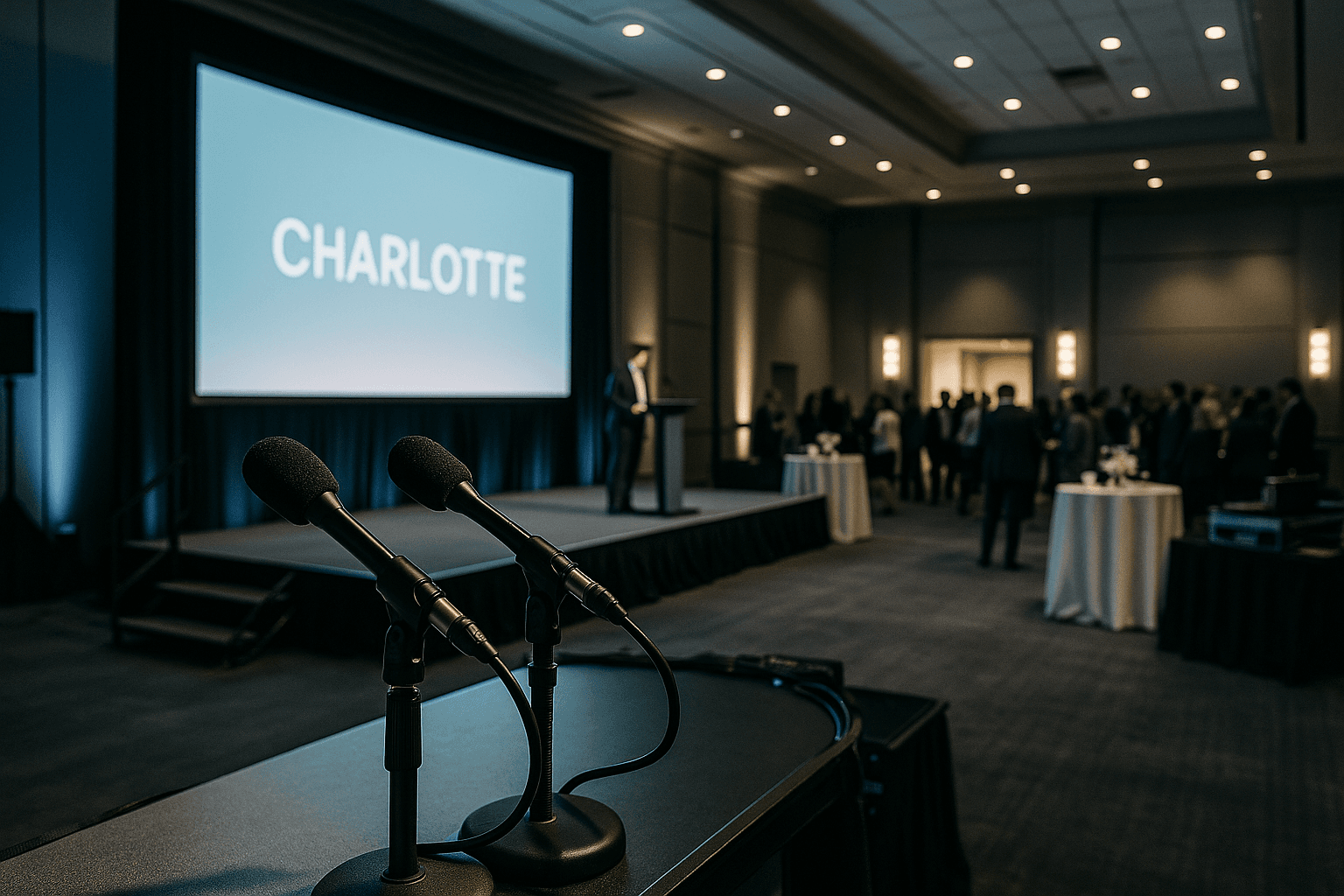
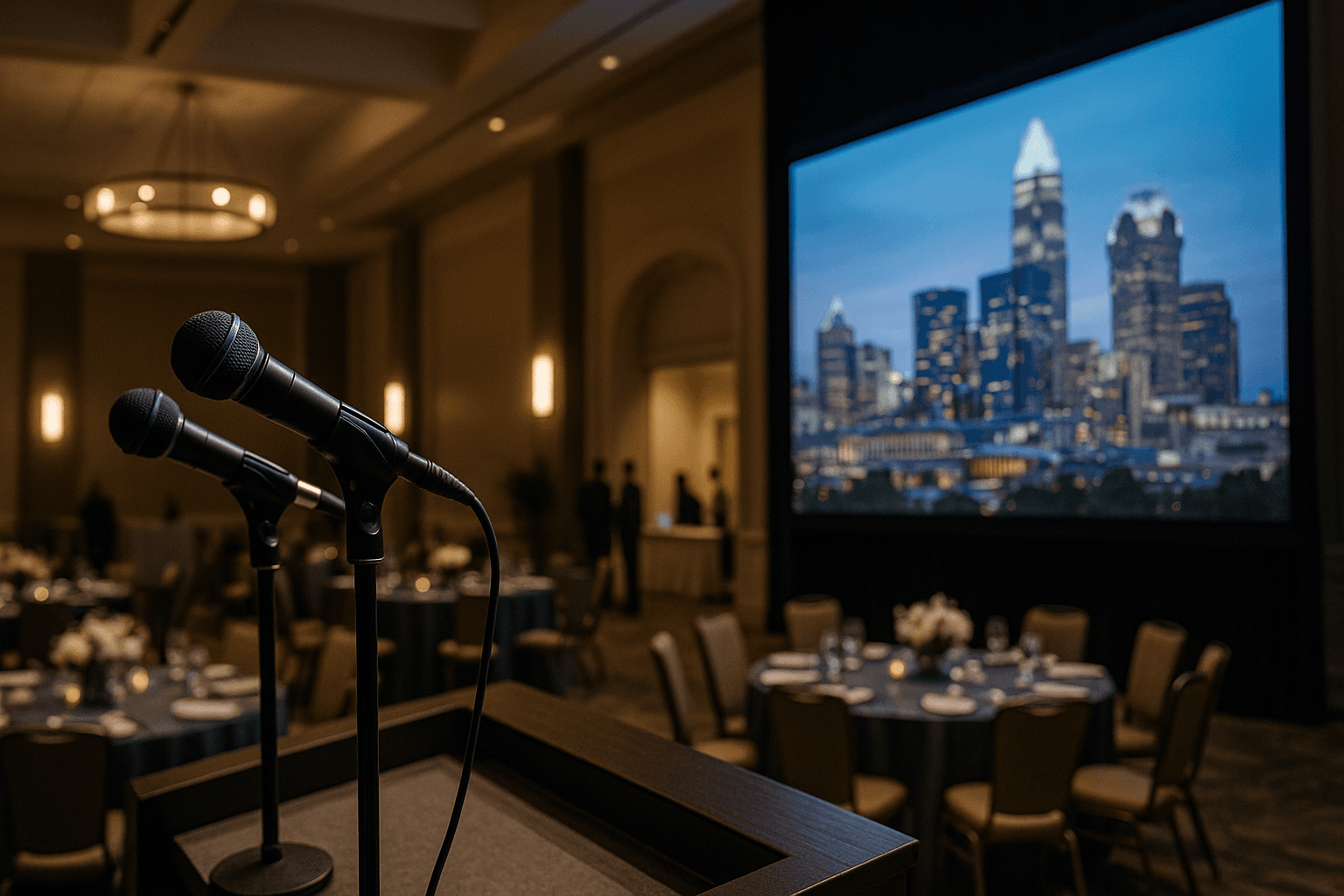
Production is not a backdrop; it is the framework that gives the event polish and clarity. Strong conferences depend on reliable audio, visible screens, consistent branding, and technical cues that keep presentations seamless. In Charlotte, many corporate audiences expect a high level of professionalism, so lighting, stage design, slide management, and sound reinforcement should be planned with precision. Run-of-show documents, speaker prep, and cue coordination are essential to preventing delays. Production planning should also account for rehearsal time and contingency options, especially if multiple presenters or hybrid elements are involved.
Use Hospitality to Reinforce Brand Credibility
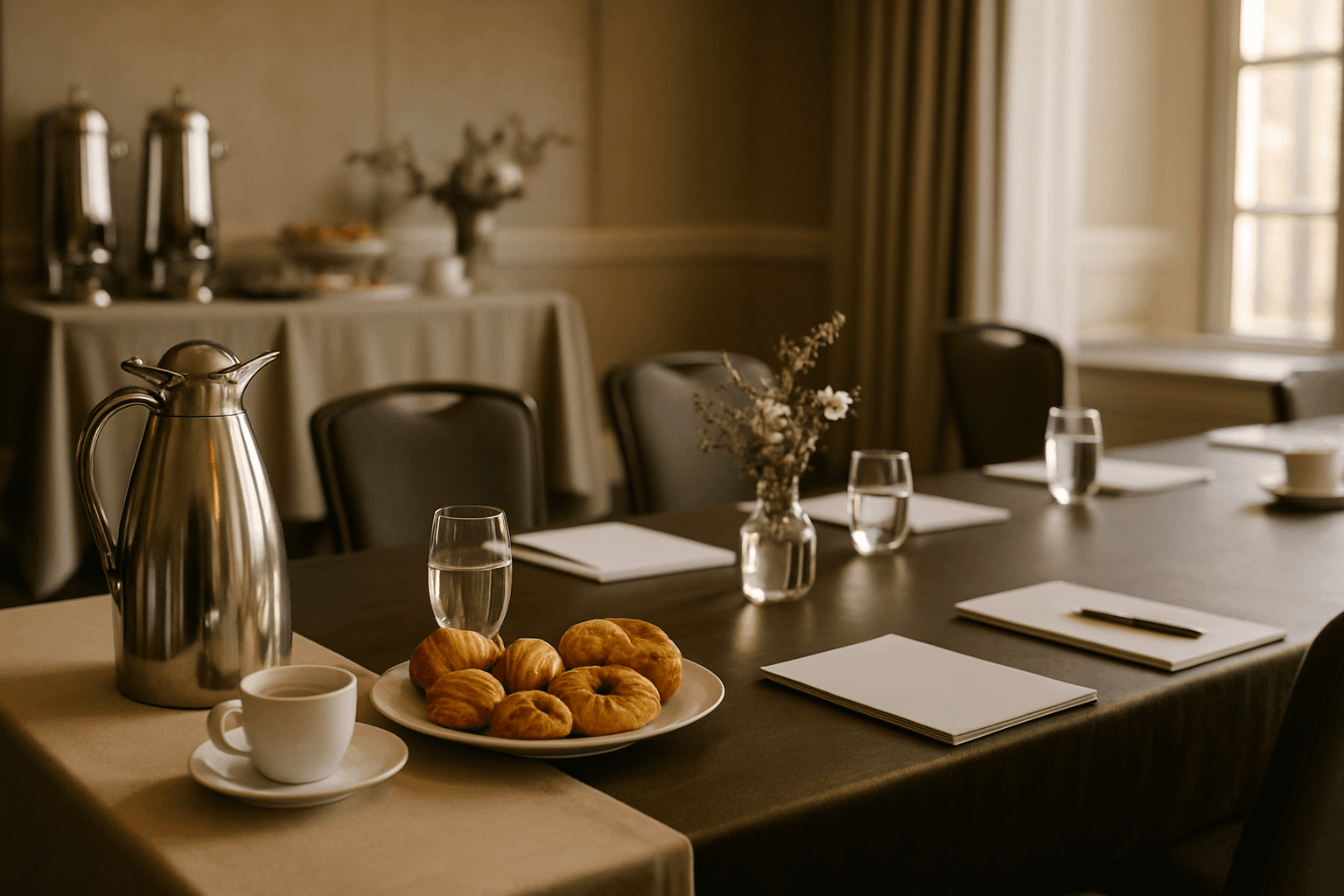
Hospitality is where a well-run conference feels exceptional. Thoughtful food and beverage planning, responsive staffing, comfortable seating, and clear communication all contribute to how attendees perceive your organization. Small details matter: water placement, break timing, dietary accommodation, and a smooth check-in process all reduce friction and support a more premium experience. In a market like Charlotte, where corporate gatherings often serve relationship-building goals, hospitality should feel polished but not performative. The aim is to help guests feel welcomed, valued, and able to focus on the content and connections that matter most.
Build a Planning Timeline That Reduces Risk
Conference planning works best when it is sequenced with discipline. Begin with objectives, audience definition, and venue selection, then move into agenda structure, speaker outreach, and production planning. Later stages should include registration setup, signage, staffing, rehearsals, and final confirmations. A well-constructed timeline gives teams the ability to solve problems early rather than react at the last minute. It also creates room for executive review, stakeholder alignment, and thoughtful adjustments. For organizations planning related offsite experiences, corporate retreats can complement conference programming by extending strategy, team building, or leadership development beyond the main event.
Charlotte corporate retreats
Plan a Charlotte Conference With Confidence
If you are organizing a conference or seminar in Charlotte, Nexa Events can help you align venue strategy, run-of-show planning, production, and hospitality into one coordinated experience. Contact us to start building a program that feels polished, efficient, and memorable.
Related Nexa Planning Resources