A practical Charlotte guide to planning an executive breakfast with a focused agenda, smooth arrival flow, thoughtful hospitality, and a clear business outcome.
Define the Decision the Breakfast Needs to Support
An executive breakfast should begin with a business reason, not a menu. The gathering may need to introduce a new market initiative, strengthen a client relationship, align a leadership team, recognize partners, or create a smaller setting for a difficult conversation. That purpose determines who belongs in the room, how formal the invitation should feel, what information guests need in advance, and how much discussion time the agenda requires. A breakfast designed around one clear outcome feels focused. A breakfast carrying six unrelated objectives usually becomes a rushed meeting with catering. Before contacting venues, write a one-sentence definition of success and identify the decision, relationship, or next step the gathering should move forward.
Explore Charlotte business breakfast planning
Choose a Charlotte Location That Reduces Morning Friction
Morning events are unusually sensitive to location. Guests may be arriving from Uptown offices, SouthPark, Ballantyne, University City, Lake Norman, the airport, or surrounding communities, all while navigating commuter traffic and the first obligations of their workday. A visually impressive venue is not useful if parking, valet service, building access, or elevator travel makes an 8:00 a.m. start unrealistic. Evaluate the location against the actual guest list. Confirm parking instructions, rideshare drop-off, accessibility, weather protection, room access time, and whether the venue can receive vendors before guests arrive. For groups with travelers, proximity to the correct hotel cluster may matter more than proximity to a landmark. The best Charlotte breakfast venue is the one that lets guests enter calmly and begin on time.
Explore Nexa Events in Charlotte
Build the Timeline Backward From the First Conversation
A breakfast program does not start when the speaker takes the microphone. It starts when the first guest reaches the door. Build the timeline backward from the moment meaningful conversation should begin. Include vendor access, room reset, catering preparation, audiovisual checks, registration setup, executive arrival, guest arrival, coffee service, seating, welcome remarks, discussion, closing commitments, and departure. If the invitation says 7:30 a.m., decide whether that means doors open, breakfast is served, or content begins. Those are different promises. A useful schedule gives guests time to settle without creating a long dead period. It also protects the kitchen and service team from trying to refresh coffee, clear plates, and support a presentation at the same moment.
Charlotte corporate event planning
Design Breakfast Service Around the Agenda
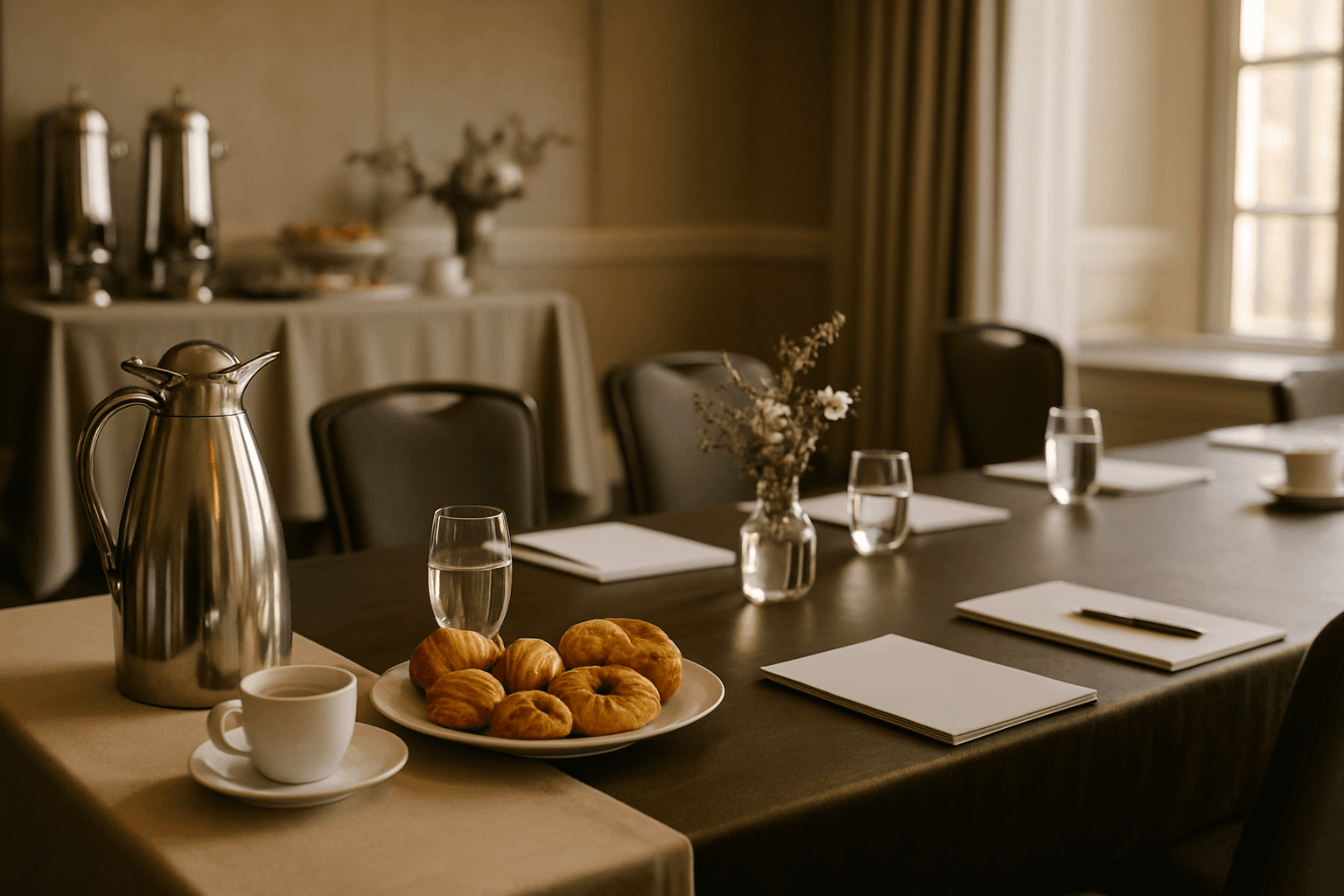
Food service should support attention rather than compete with it. A buffet can work well for informal networking, but it can also create lines and late seating. Plated service feels more controlled, yet poorly timed courses may interrupt discussion. Passed items and attended stations can create flexibility when guests are expected to move between conversations. Ask the caterer how long service takes for the real guest count, what can be placed before arrival, how dietary requests will be identified discreetly, and when clearing will occur. Coffee deserves its own plan. Place it where guests can access it without crossing the speaker’s sightline or creating noise beside the meeting area. In a short executive program, every service movement should have a reason and a defined window.
Charlotte client appreciation events
Create a Room That Encourages the Right Exchange
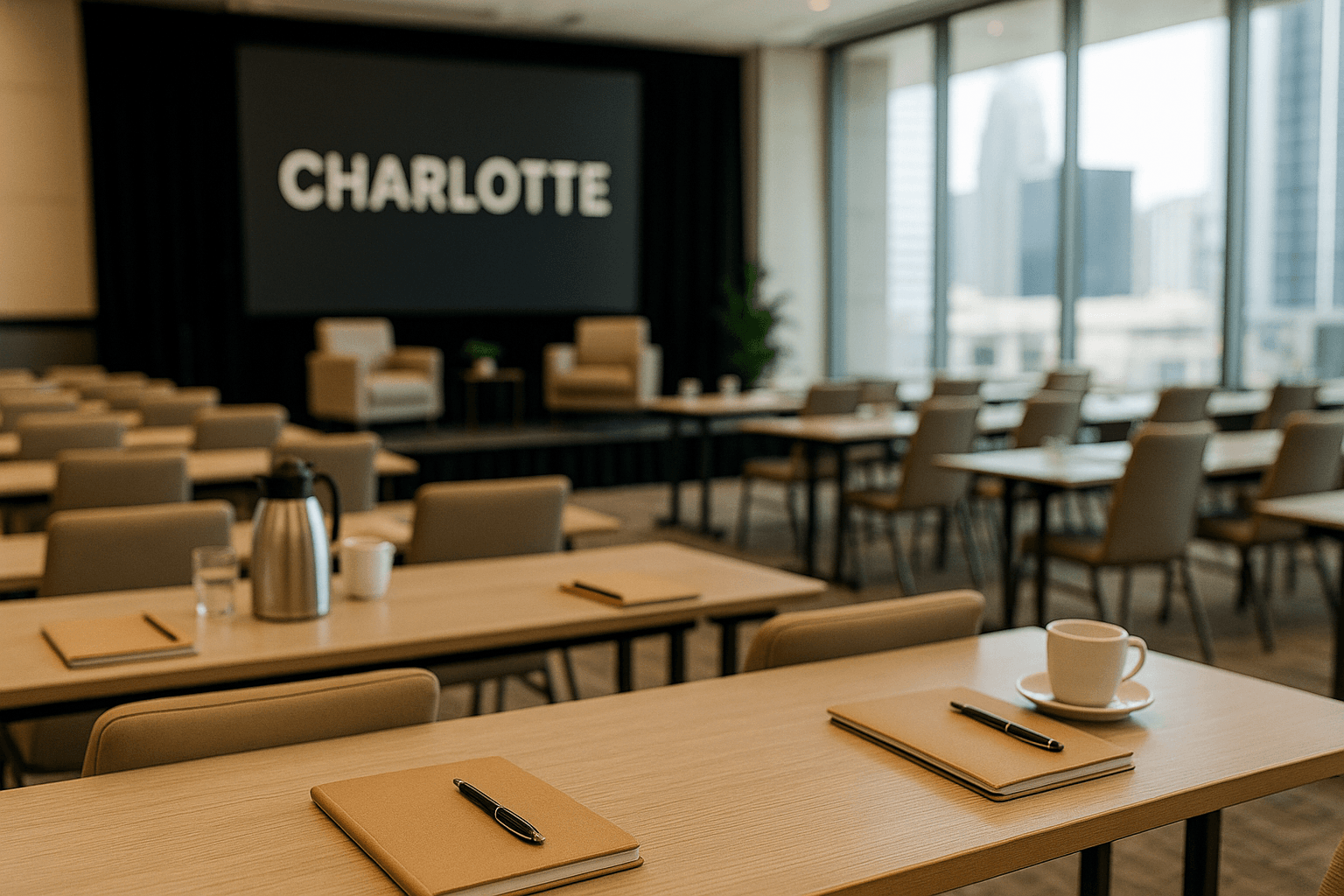
Room layout communicates expectations before anyone speaks. A long boardroom table suggests decision-making and hierarchy. Rounds encourage broader conversation but can fragment a small leadership group. Classroom seating supports note-taking while making peer exchange more difficult. A hollow square can balance presentation and discussion when the group is small enough. Match the setup to the behavior the host wants. Consider sightlines, acoustics, power access, coat and bag storage, temperature, natural light, and the distance between dining and presentation areas. Keep branding restrained unless the breakfast is a launch or media event. Executives generally notice whether the room works before they notice decorative detail. Comfort, clear views, and effortless movement are the foundation of a polished environment.
Protect the Host From Operational Distractions
The host should be able to welcome guests and participate in the conversation rather than answer questions about parking, missing name badges, dietary meals, microphone levels, or the arrival of a late executive. Assign clear ownership for guest communications, registration, venue coordination, catering, audiovisual support, speaker readiness, and timeline management. Prepare a concise event sheet with contacts, arrival instructions, room details, agenda cues, and contingency decisions. For a high-level breakfast, privacy may also matter. Confirm whether adjacent rooms are occupied, where private calls can happen, and how sensitive printed materials will be handled. Operational preparation is not excessive for a small event. Small executive gatherings often have less room for error because every disruption is visible.
End With a Specific Next Step
A successful breakfast should create momentum beyond the final cup of coffee. Reserve time to summarize decisions, identify owners, confirm deadlines, or explain the next communication guests will receive. For relationship-focused gatherings, the follow-up may be a personal note, a promised introduction, a resource, or a scheduled conversation rather than a formal action list. Send it while the discussion is still fresh. Review attendance, guest feedback, timing, service flow, and any questions that remained unresolved. Those observations improve the next gathering and help leadership understand whether the event achieved its purpose. When the closing step is designed before invitations go out, the breakfast becomes part of a business process instead of an isolated hospitality expense.
Contact Nexa Events
Plan a Charlotte Breakfast With a Clear Purpose
Nexa Events can coordinate the venue, guest arrival, food and beverage timing, room flow, production details, and on-site execution for a Charlotte executive breakfast that respects every guest’s time.