A practical Charlotte guide to planning client appreciation events that feel personal, polished, and useful for long-term business relationships.
Start With the Relationship You Want to Strengthen
A client appreciation event should not begin with a theme or a catering package. It should begin with the relationship the company wants to protect, deepen, or reopen. Some events are designed for top accounts that already know the leadership team well. Others are meant to bring newer clients closer to the business, thank referral partners, or give regional decision-makers a stronger reason to stay connected. Those different goals require different rooms, guest counts, seating plans, invitation language, and follow-up expectations. In Charlotte, where many business relationships are built through repeated introductions across finance, healthcare, real estate, energy, technology, and professional services, the strongest appreciation events feel intentional rather than expensive. Before selecting a venue, define the primary relationship outcome and decide what guests should understand about the company when they leave.
Explore Charlotte client appreciation events
Choose a Charlotte Format That Matches the Guest List
The format should respect how the guest list actually does business. A private dinner may work for a small group of senior clients, but it can feel too formal for a broader partner community. A cocktail reception creates more movement and conversation, yet it needs clear hosting so important guests are not left alone. A breakfast or lunch program may fit executives with packed calendars, while an evening experience gives teams more room for atmosphere and hospitality. Charlotte gives planners several useful settings, from Uptown hotels and private dining rooms to SouthPark restaurants, Ballantyne venues, museum spaces, club environments, and hospitality-driven properties near major business corridors. The right location reduces friction and makes attendance easy. It should also match the level of privacy, parking access, brand tone, and conversation style the host needs.
Explore Nexa Events in Charlotte
Build the Invitation Around Value, Not Obligation
Clients are busy, and an appreciation event cannot rely on obligation alone. The invitation should make the reason to attend clear without sounding transactional. That value may be access to senior leadership, a thoughtful hospitality experience, a useful market conversation, a celebration of a shared milestone, or simply a relaxed evening with people the guest already knows. Keep the message concise and specific. Avoid making the event feel like a disguised sales presentation unless the program genuinely includes a business briefing. The invitation should also answer practical questions early: date, time, parking, dress, guest policy, dietary requests, and whether the program includes remarks. When those details are handled well, the client’s first impression is that the host values their time.
Design Guest Flow Before Decor
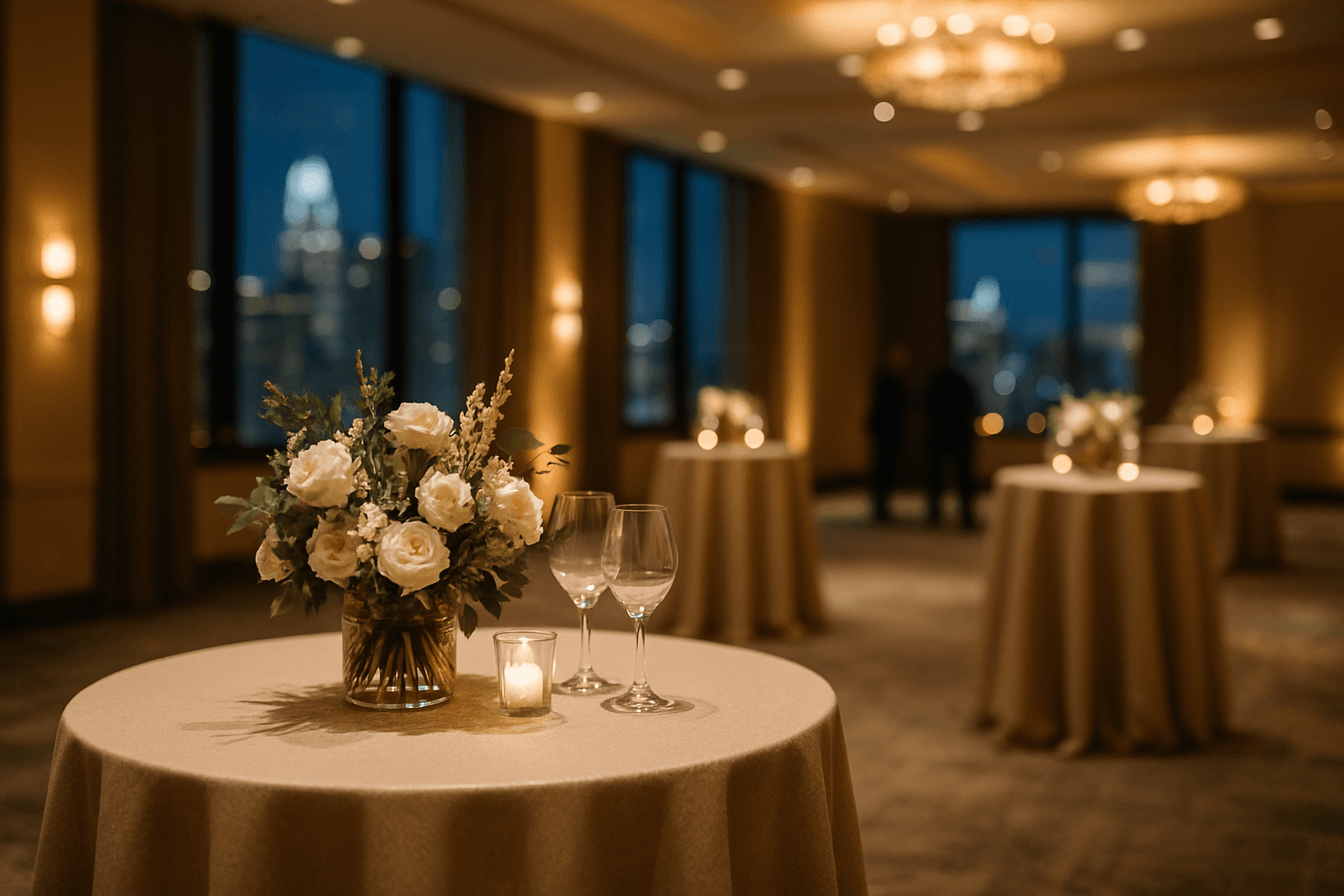
A client event succeeds or fails through movement. Guests need to know where to enter, where to check in, where to put a coat, where to get a drink, where to meet the host, and where to move next. If the event includes remarks, the room should shift attention naturally without staff forcing the moment. If the goal is conversation, seating and cocktail tables should avoid trapping guests in tight clusters. A thoughtful flow also gives executives a practical hosting plan. Identify priority guests, assign internal hosts, prepare arrival notes, and make sure leadership knows who should be greeted personally. Decor matters, but it should support the experience rather than become the experience. Warm lighting, comfortable spacing, visible service points, and a clear room plan often do more for the guest than complicated styling.
Use Food and Beverage as a Hospitality Signal
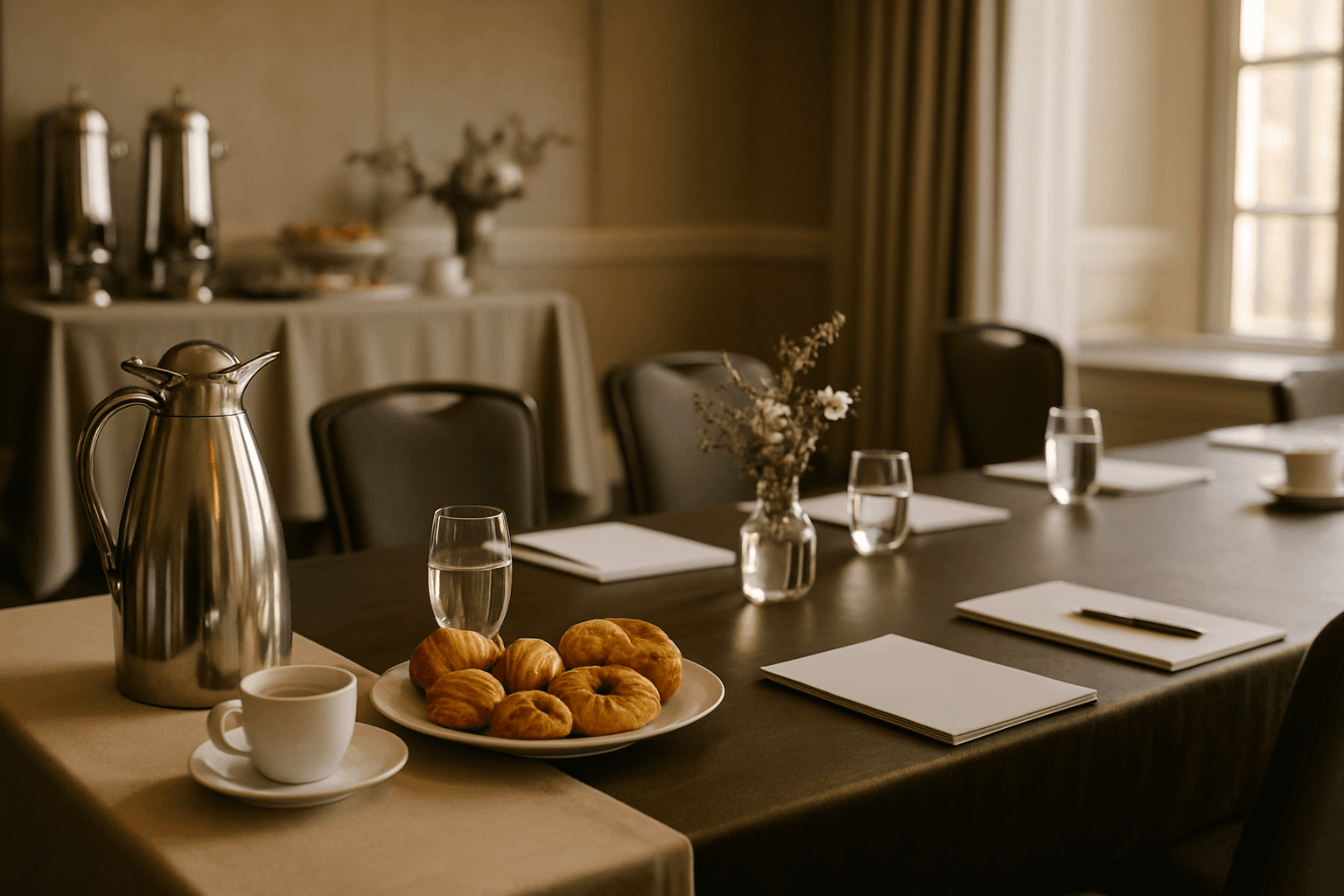
Food and beverage communicate how carefully the company has thought about its guests. For a Charlotte client appreciation event, the plan should fit the time of day, the venue, the guest profile, and the expected length of stay. Passed hors d'oeuvres can keep a reception active, but they should be substantial enough if guests are coming after work. Stations can create interest, yet they require enough space and service staff to prevent lines. A seated meal offers control and conversation time, but it raises the importance of seating assignments and dietary management. Beverage service should be easy to access without pulling guests away from conversation. The best hospitality plans feel generous without becoming distracting. They let guests relax while keeping attention on the people in the room.
Charlotte business breakfast planning
Keep Remarks Short and Purposeful
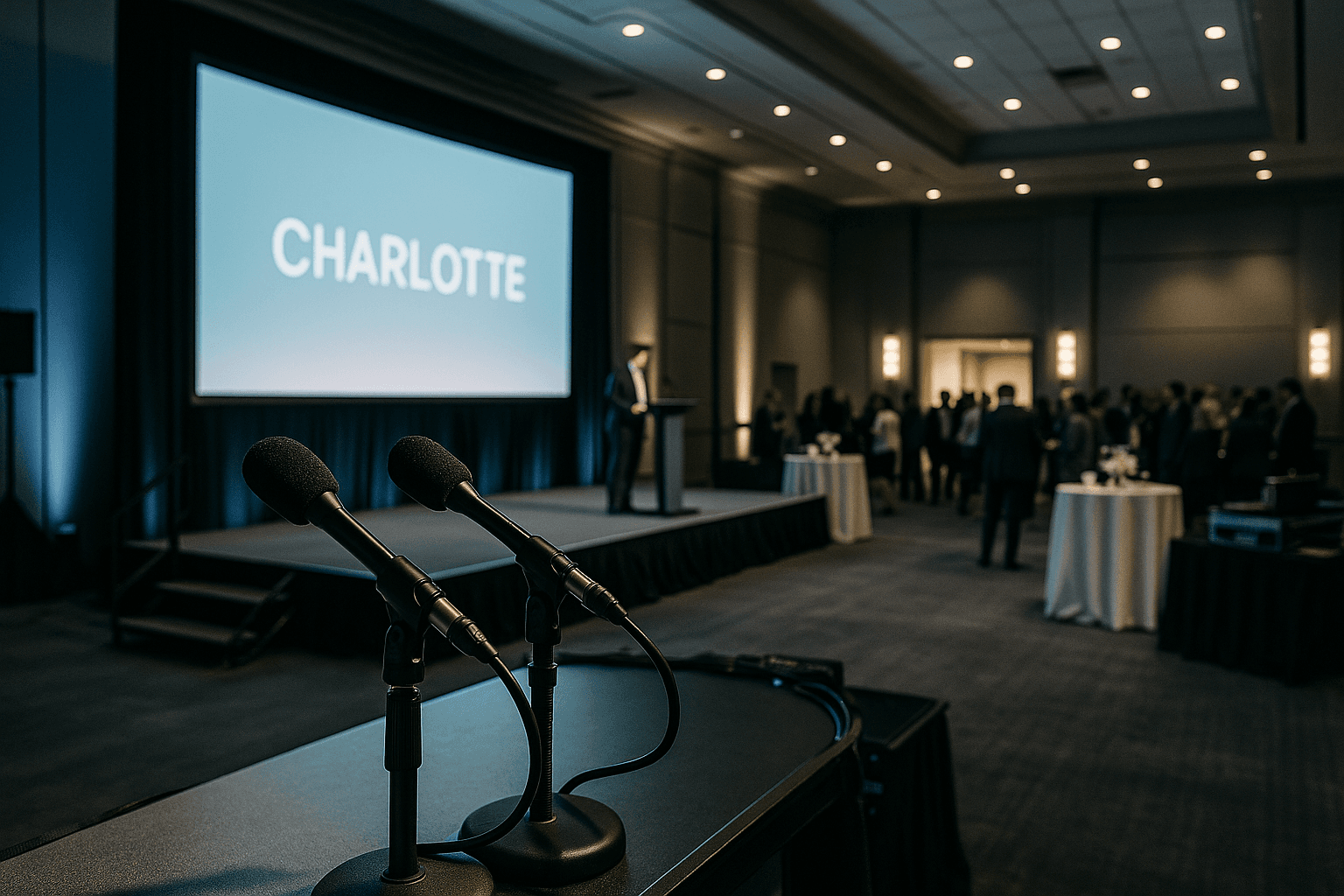
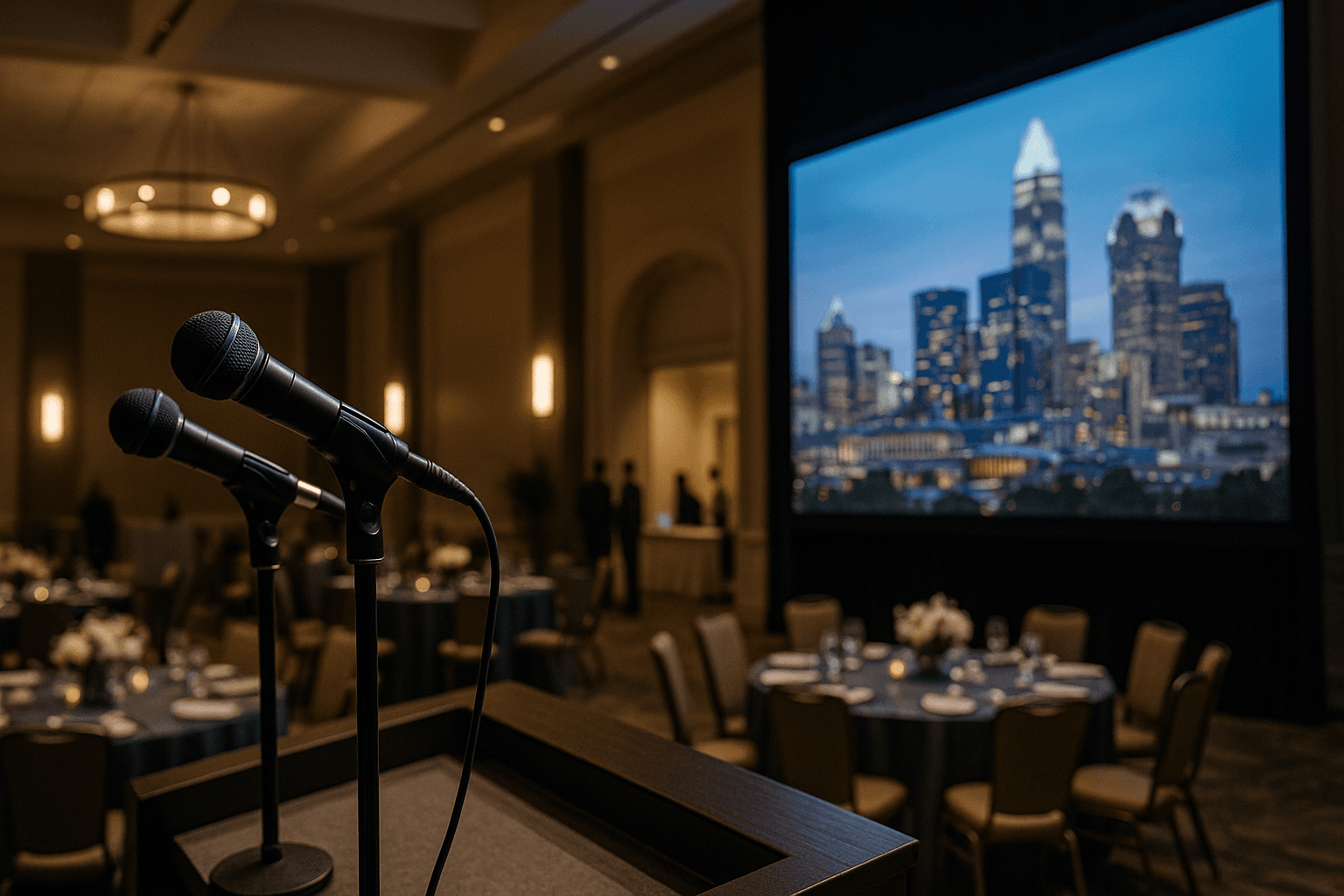
Most client appreciation events need a spoken moment, but few need a long program. A brief welcome can thank guests, recognize the relationship, name a milestone, and set the tone for the rest of the event. If leadership wants to share company updates, keep them relevant to the audience and avoid turning the evening into a presentation deck. The strongest remarks are specific enough to feel sincere and short enough to protect the social purpose of the gathering. Plan the microphone, lighting, speaker position, and timing in advance. Guests should not wait through technical checks or wonder whether they are supposed to stop talking. A polished transition tells clients that the company is prepared, respectful, and aware of the room.
Prepare the Internal Team Like Hosts, Not Attendees
The internal team should know its role before the event begins. Client-facing employees may need a priority guest list, conversation prompts, arrival assignments, and clear expectations for follow-up. Executives may need a short briefing on who is attending, what accounts matter most, which clients have recent wins or concerns, and where sensitive conversations should happen. Staff should not cluster together or spend the evening talking only with colleagues. A client appreciation event is a hosted experience, not a company party with clients nearby. Preparation helps the team move naturally, make introductions, include quieter guests, and notice when someone needs assistance. That level of attention is often what clients remember.
Make Follow-Up Part of the Event Plan
The follow-up should be planned before the first invitation goes out. Decide who will send thank-you notes, what information should be captured, how quickly priority clients should hear from the team, and whether the event should lead to another meeting, introduction, proposal, or simply a warmer relationship. Follow-up does not need to be aggressive. In many cases, a thoughtful note and a useful next touchpoint are enough. The key is consistency. If a client had a meaningful conversation with a senior leader, someone should own the next step. If a prospect attended through a referral partner, the partner should be acknowledged. Without follow-up, even a beautiful event can become a pleasant evening with no business memory.
Charlotte corporate event planning
Give the Experience a Clear Owner
Client appreciation events often involve marketing, sales, leadership, operations, venue contacts, catering, production, and sometimes outside partners. Without one clear owner, details fall between teams. Assign responsibility for the guest list, invitation approvals, RSVP tracking, venue coordination, vendor timing, run of show, signage, executive briefings, and post-event reporting. A planner should also manage the decisions that happen in real time: late arrivals, room temperature, service timing, microphone issues, and schedule adjustments. When ownership is clear, the host team can focus on relationships instead of logistics. That is the difference between hosting clients and merely inviting them to a room.
Contact Nexa Events
Plan a Client Appreciation Event With Clear Intent
Nexa Events can help Charlotte companies plan client appreciation events with the right venue, guest flow, hospitality details, production support, and on-site management so the experience feels thoughtful from invitation to follow-up.