A Charlotte-focused guide to planning a corporate retreat that gives leadership teams clearer alignment, smoother hospitality, and a better reason for employees to leave their desks.
A Better Retreat Starts With a Clear Business Reason
A corporate retreat should not feel like a long meeting moved into a nicer room. Before choosing a venue, menu, or activity, leadership needs to agree on the reason people are gathering. Some Charlotte teams need strategic alignment after growth. Others need space for department heads to reset priorities, strengthen relationships, or prepare for a product launch, acquisition, hiring push, or new operating season. When that purpose is clear, the rest of the event becomes easier to design. The room layout, schedule, speaker format, meal timing, transportation plan, and follow-up all start supporting the same outcome instead of competing for attention.
Corporate retreat planning in Charlotte
Choose a Charlotte Setting That Matches the Work
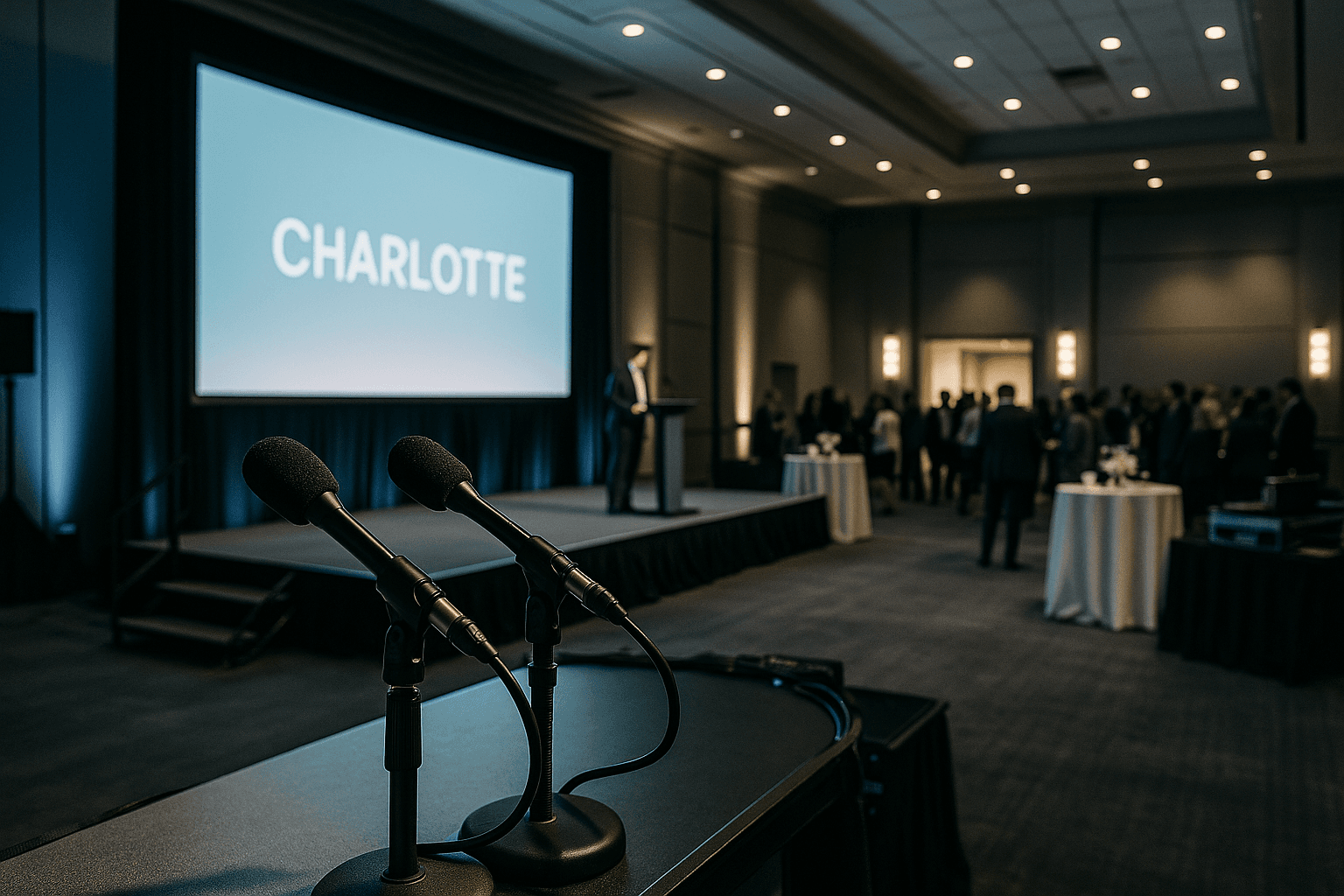
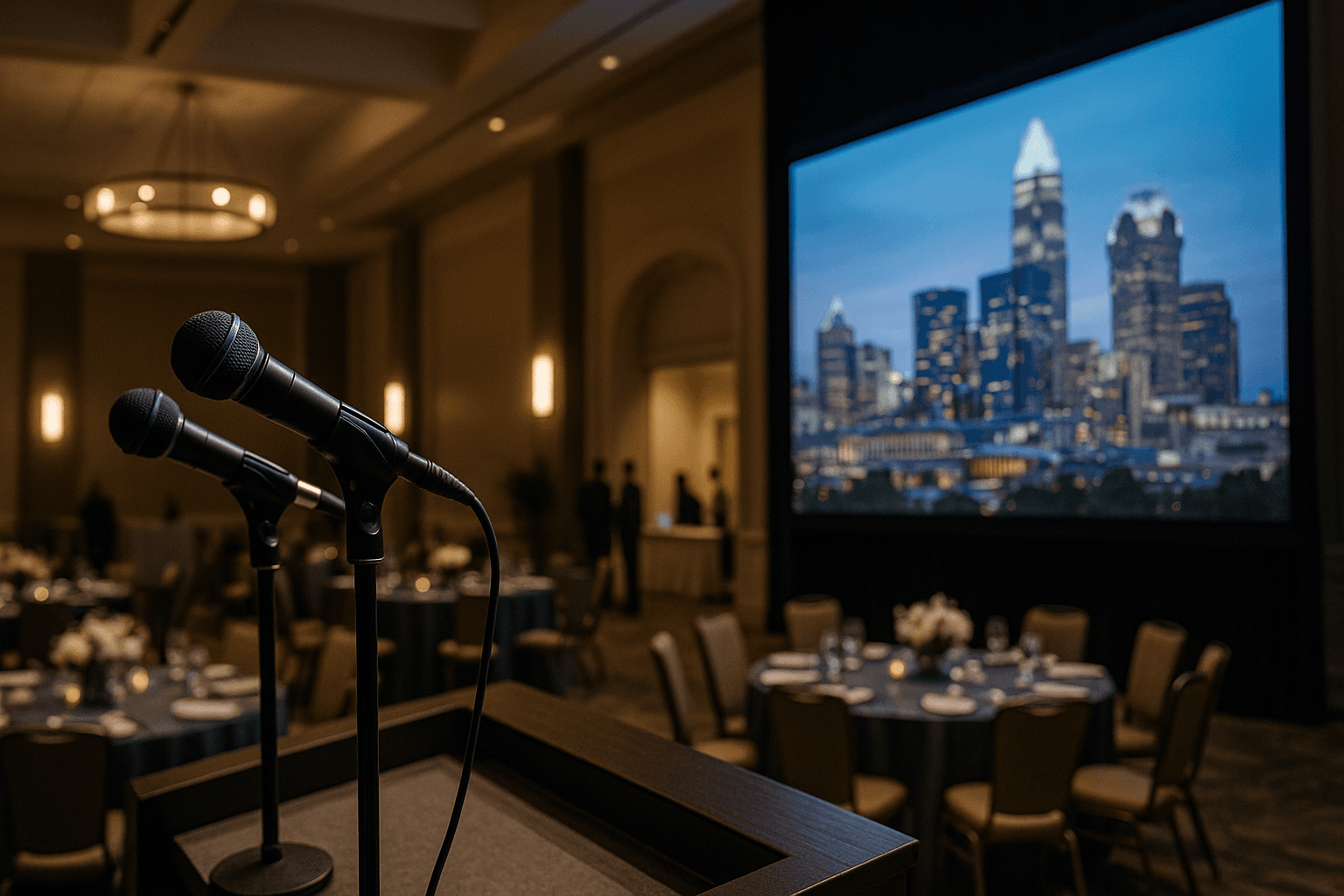
Charlotte gives companies several retreat environments, and each one changes the tone of the day. Uptown works well when executives are flying in, moving between hotels, offices, and restaurants, or using the retreat as part of a larger conference week. SouthPark and Ballantyne can feel more focused for leadership sessions, client-facing planning, or polished hospitality without the intensity of the central business district. Lake Norman or nearby resort-style settings can be useful when the group needs a real mental break from office rhythm. The venue should be selected for access, privacy, noise control, breakout options, food service, parking, and the energy leaders want people to feel when they walk in.
Explore Charlotte corporate event planning
Protect the Agenda From Becoming Too Full
The most common retreat mistake is trying to solve every company issue in one day. A useful retreat has fewer priorities and more intentional transitions. Instead of stacking presentations back to back, create a rhythm: arrival, welcome, focused session, discussion, break, working block, meal, reflection, and next steps. The schedule should leave room for senior leaders to listen, not just present. It should also leave enough margin for late arrivals, AV checks, meal service, and informal conversations. Those quiet spaces are often where trust and clarity actually form.
Charlotte conferences and seminars
Design Hospitality Like an Operating System
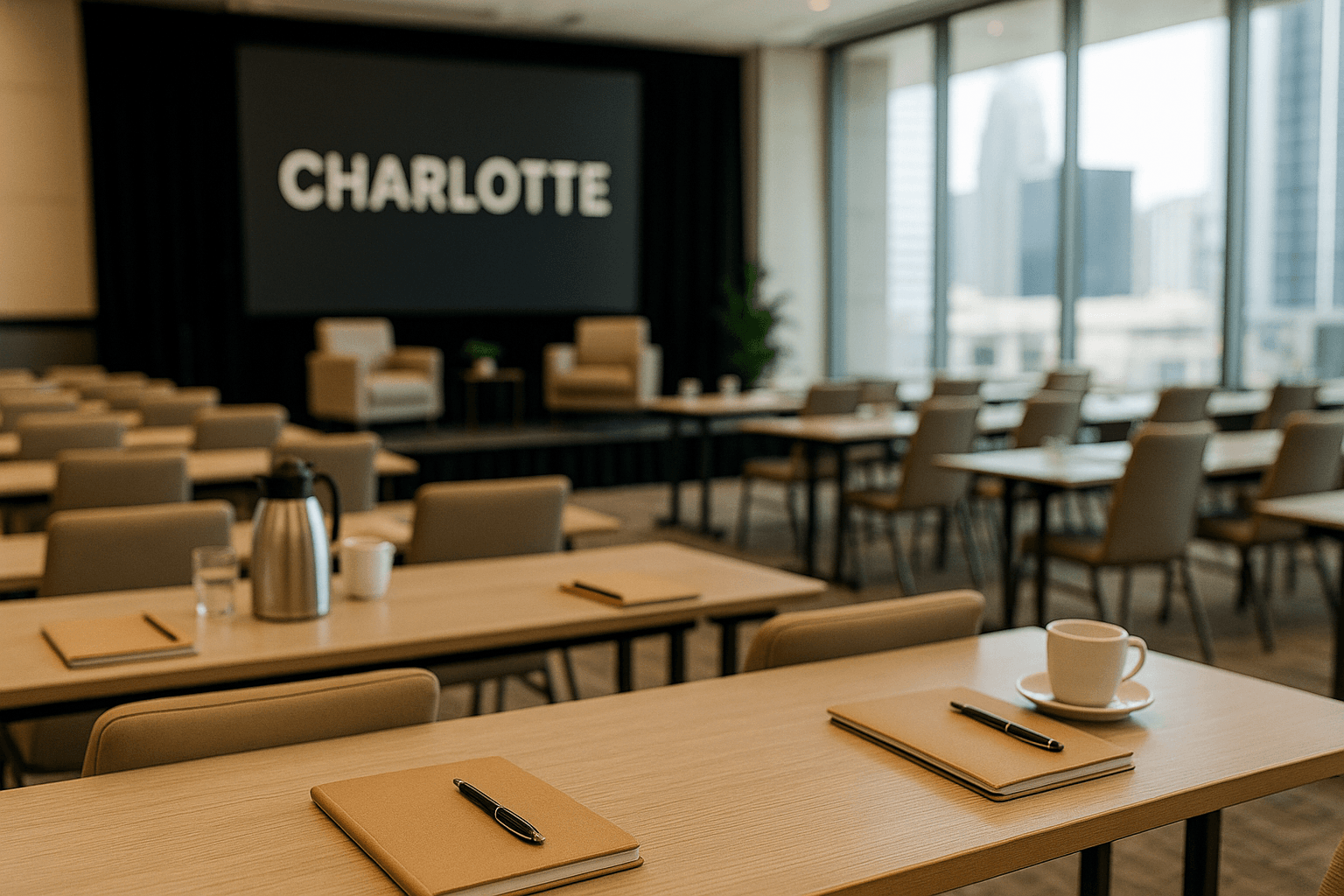
Hospitality is not decoration. In a corporate retreat, hospitality is the operating system that keeps the day from feeling heavy. Clear signage, check-in support, coffee that appears before people start looking for it, comfortable seating, chargers, water stations, dietary planning, and smooth room resets all reduce friction. For Charlotte companies hosting executives, managers, or regional teams, these details matter because they communicate respect for people’s time. A retreat that feels organized allows guests to focus on the work instead of wondering where to go, when lunch starts, or whether the next room is ready.
Make Team Building Feel Relevant, Not Forced
Team building can be valuable, but only when it fits the group. A finance leadership team, a sales organization, and a creative department may need completely different formats. Some groups benefit from structured problem-solving. Others need a facilitated conversation, a wellness break, a collaborative workshop, or a relaxed hosted dinner. In Charlotte, planners can use the city’s mix of business districts, restaurants, outdoor settings, and hospitality venues to create connection without turning the day into a generic activity package. The goal is not to entertain people for a few hours. The goal is to create better working relationships after everyone returns to normal operations.
Charlotte team building activities
Think Through Executive Experience and Decision Flow
Corporate retreats often involve people who are carrying a lot of responsibility. Executives need privacy when needed, clear arrival instructions, reserved spaces for side conversations, and enough control over the agenda to make decisions without rushing. At the same time, the event should not feel closed off or overly formal if the purpose is culture-building. A strong planning process identifies which decisions need to happen in the room, who needs to be present, what materials are required, and how outcomes will be captured. That makes the retreat more than a polished gathering. It becomes a structured moment for organizational progress.
Plan Follow-Up Before the Retreat Begins
A retreat loses value when the day ends with good energy but no ownership. Before the event, decide how notes will be captured, who will summarize decisions, how action items will be assigned, and when leadership will communicate next steps. This does not need to be complicated. A simple recap, owner list, timeline, and internal communication plan can turn the retreat from a one-day experience into a useful business tool. For Charlotte companies growing teams, opening new markets, or rebuilding alignment, the follow-up is where the return on the retreat becomes visible.
How Nexa Events Supports Charlotte Corporate Retreats
Nexa Events helps Charlotte companies shape retreats around the real purpose of the gathering. That may include venue guidance, agenda flow, vendor coordination, hospitality details, guest movement, room setup, catering planning, production needs, and on-site management. The goal is to create a retreat that feels calm, polished, and useful for the people in the room. Whether the event is a leadership offsite, team reset, strategic planning day, or client-facing corporate experience, the planning should protect both the business objective and the guest experience.
Plan a Retreat That Gives the Day a Purpose
Planning a Charlotte corporate retreat? Nexa Events can help shape the venue, agenda, hospitality flow, and on-site details so the day feels focused from arrival to follow-up.