Planning a corporate event can feel overwhelming, but using a structured corporate event planning checklist ensures every detail is covered. Whether organizing a product launch, company celebration, or networking event, following a clear plan helps businesses save time, manage costs, and deliver a professional experience.
This guide walks you through the essential steps of corporate event planning, making it easier to stay organized and execute a successful event.
Define the Purpose and Goals of the Event
The first step in corporate event planning is defining the event’s purpose and measurable goals. Are you launching a new product, training employees, or celebrating company achievements? Clear objectives guide all subsequent decisions, from venue selection to program scheduling. Defining the purpose early helps you prioritize tasks, allocate resources wisely, and ensure the event aligns with business objectives.
Set the Event Budget and Financial Plan
A detailed corporate event budget ensures resources are allocated efficiently and prevents overspending. Include venue costs, catering, décor, entertainment, technology, staffing, and a contingency fund for unexpected expenses. Proper budgeting allows you to make informed decisions about vendors and activities while staying on track financially.
Choose the Date and Create a Timeline
Selecting the right date is crucial for maximizing attendance and coordinating vendors. Larger events often require months of preparation, so developing a clear event planning timeline is essential. A timeline outlines milestones such as booking the venue, confirming vendors, sending invitations, and final rehearsals, helping the team stay organized and meet deadlines.
Select the Venue and Event Location
The venue plays a significant role in the success of a corporate event. When choosing a location, consider guest capacity, accessibility, amenities, and whether the space aligns with your brand’s image. The right corporate event venue enhances attendee experience, facilitates smooth logistics, and sets the overall tone for the event.
Develop the Event Program and Schedule
A well-structured corporate event program keeps attendees engaged and ensures sessions run smoothly. Include welcome remarks, keynote speakers, networking sessions, entertainment, and breaks. A carefully planned schedule helps prevent confusion, maintains attendee interest, and ensures that the event runs professionally from start to finish.
Coordinate Vendors and Event Services
Effective vendor management is key to a successful corporate event. From catering and audiovisual services to décor and transportation, coordinating multiple vendors requires clear communication and detailed contracts. Strong vendor partnerships help deliver a seamless experience and reduce last-minute complications.
Plan Guest Registration and Communication
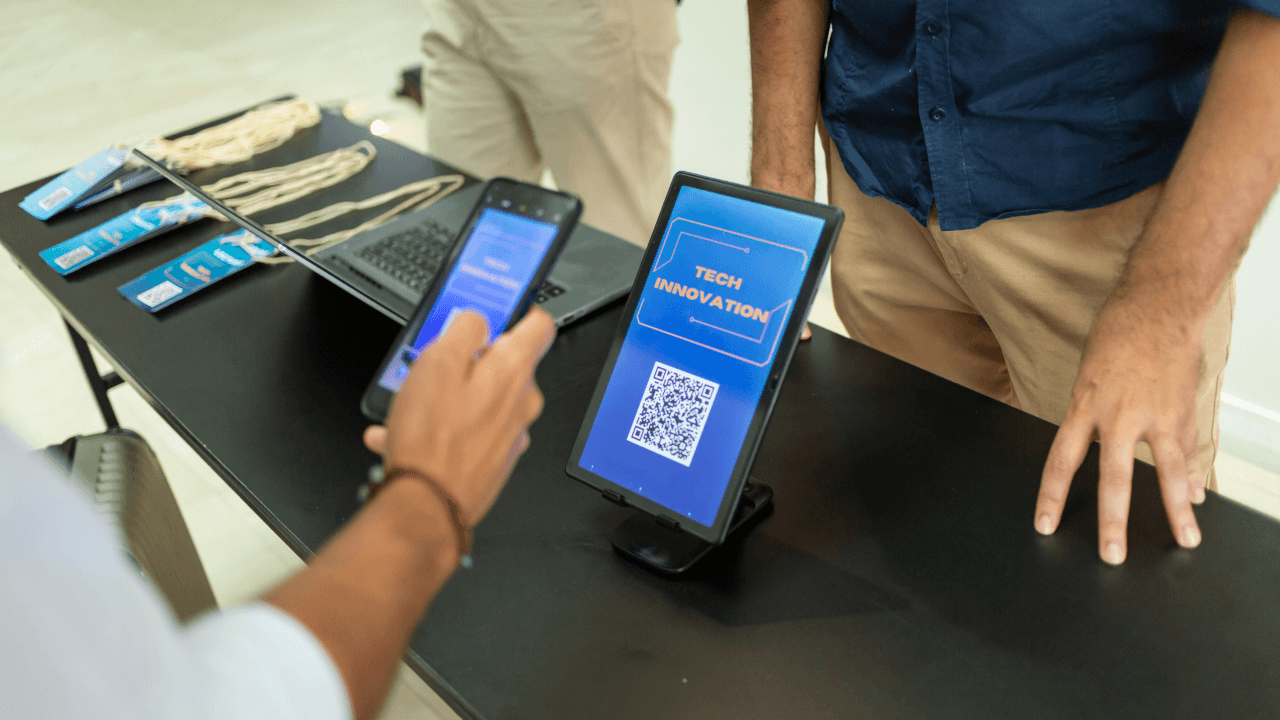
Smooth guest registration and clear communication keep attendees informed and welcomed. Collect essential details, send confirmations, and provide reminders to minimize no-shows and confusion. Clear communication also sets expectations, making the event experience more enjoyable for everyone.
Prepare Logistics and On‑Site Operations
Proper on-site event operations ensure that check-in, equipment setup, and staffing run efficiently. Test technology ahead of time, assign staff roles, and designate a point person to troubleshoot any issues. Well-organized logistics allow the event to run seamlessly and reflect professionalism.
Promote the Event and Manage Marketing
Marketing is essential to increase attendance and engagement. Use email campaigns, social media, and partnerships to inform your audience about the event. A strong promotional strategy helps maximize reach, create anticipation, and ensure your event achieves its intended goals.
Conduct Final Checks Before the Event
Before guests arrive, review all event elements, from vendor schedules and equipment to seating arrangements and staff responsibilities. Conducting thorough final checks reduces the risk of last-minute problems and ensures a polished, professional experience.
Evaluate the Event After It Ends
Post-event evaluation is critical for learning what worked and identifying areas for improvement. Collect feedback from attendees and staff, review attendance data, and assess the overall success of the event. This analysis allows your team to refine future events and continue improving corporate event planning practices.