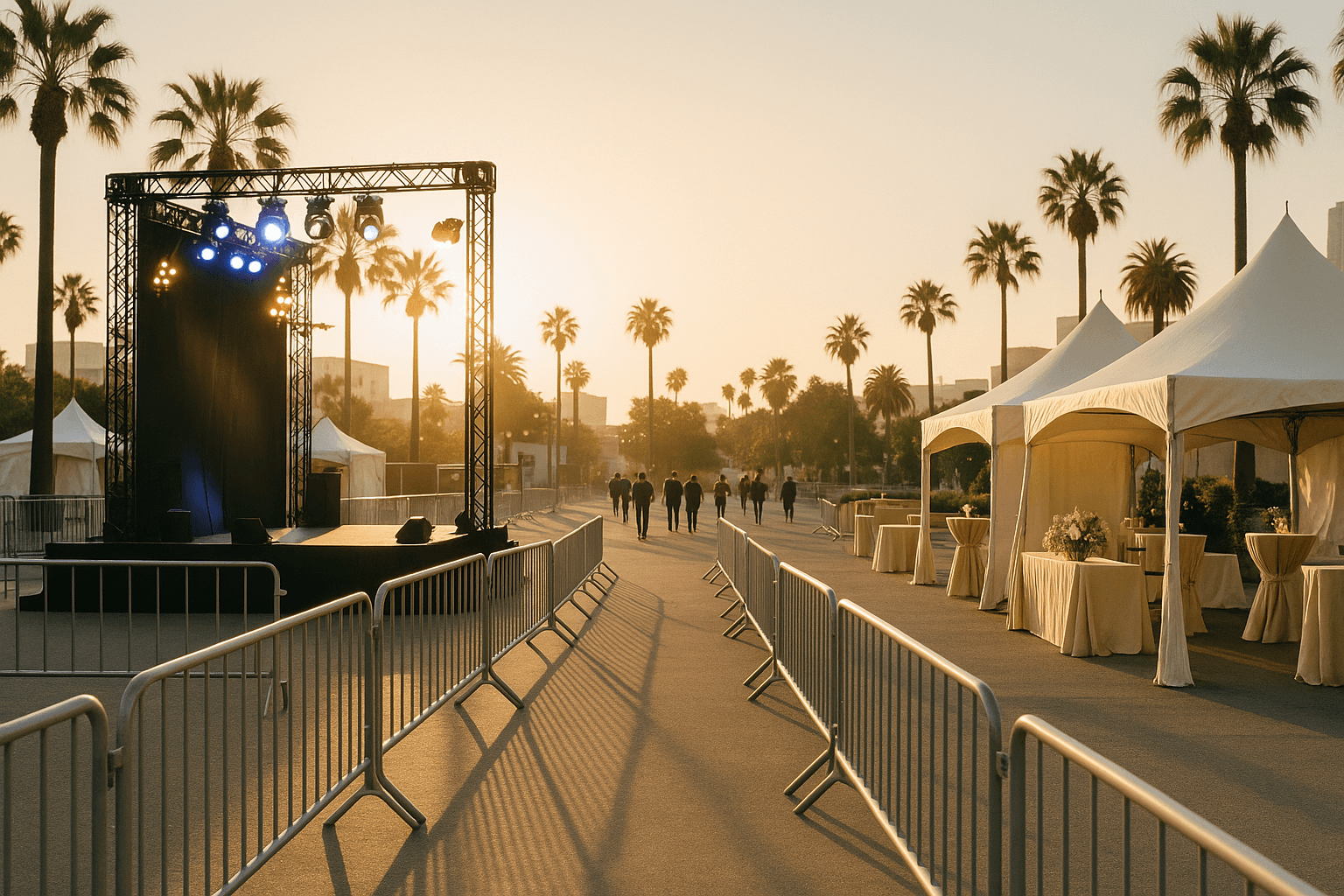
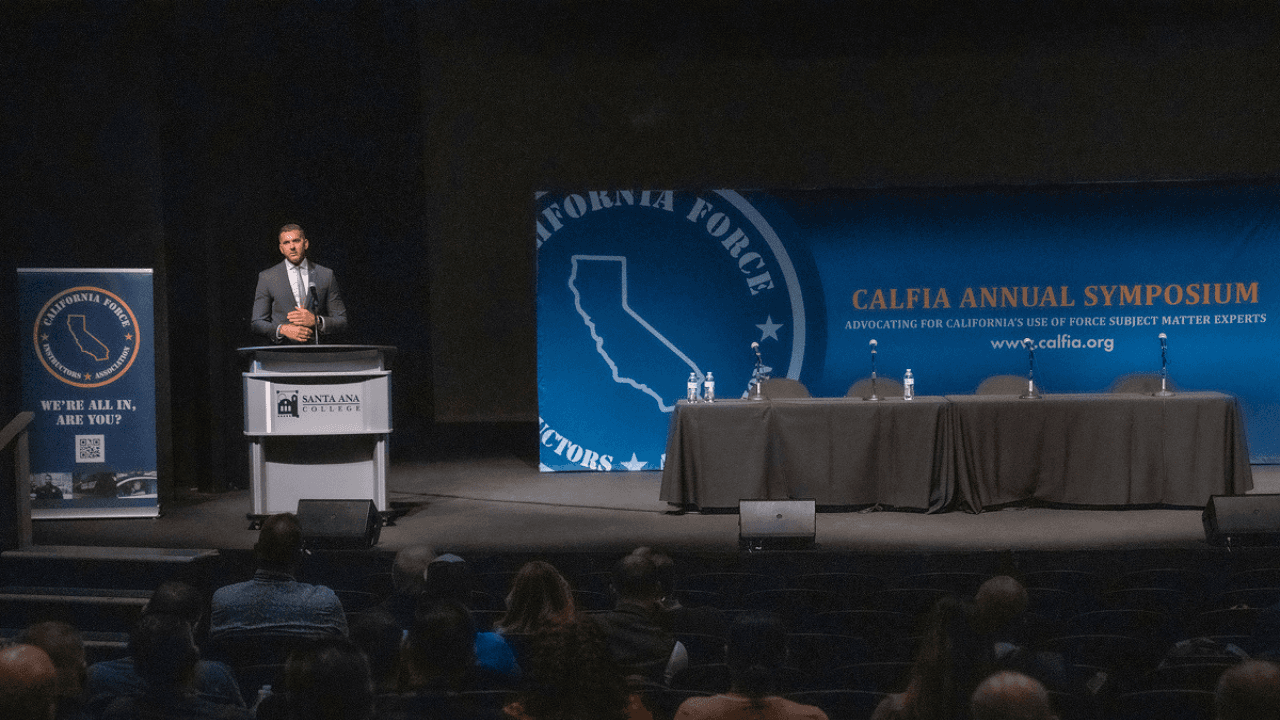
In 2026, the Los Angeles event landscape has reached a tipping point. The sprawling, 1,000-person ballroom convention is being replaced by a more surgical, high-impact model: Micro-Immersion. From the tech hubs of Silicon Beach to the fashion houses of the DTLA Arts District, brands are realizing that intimacy is the new luxury. A micro-event—typically capped at 50 to 100 high-value guests—allows for a level of sensory detail and personal connection that is physically impossible to achieve at scale. For an events company in Los Angeles, the challenge is no longer about filling a stadium; it’s about "Experience Density"—how much brand narrative can you pack into a single, perfectly curated square foot?
The "Tactile Sophistication" of Southern California
Los Angeles has always been a city of aesthetics, but in 2026, the "Instagrammable" look has evolved into "Tactile Sophistication." Guests are no longer satisfied with flat, digital backdrops. They crave three-dimensionality and "touchable" luxury. This trend is visible in the rising demand for venues that offer raw, organic textures—think the lime-washed walls of a Malibu coastal estate or the exposed, century-old brick of a Pasadena historic landmark.
In our production designs, we are seeing a move away from hard, "Brutalist" angles toward soft architecture and curved forms. Serpentine tables, velvet-draped "conversation pods," and sculptural floral installations are replacing the rigid rows of traditional theater seating. This "Organic Luxury" palette—featuring warm neutrals like mushroom taupe and deep terracotta—mirrors the natural Southern California landscape. By designing spaces that invite guests to reach out and touch the environment, we create a sense of "Groundedness" that makes the brand feel more authentic and permanent in a digital-first world.
Creator Pods: The Evolution of the LA Photo Booth
In a city that serves as the global capital of content creation, the traditional photo booth is officially obsolete. In its place, the premier event services in Los Angeles are now installing "Creator Pods." These are miniature, professionally lit studios integrated directly into the event’s scenic design.
Unlike a photo booth, a Creator Pod is equipped with 2026-standard lighting arrays and high-fidelity audio capture, allowing attendees to record 4K LinkedIn videos, high-end Reels, or podcast snippets on-site. For a brand launch in West Hollywood, these pods aren't just an "extra"; they are the primary engine for organic reach. By providing influencers and industry leaders with a "Studio-Grade" environment, you ensure that the content they share is as polished as the event itself. This turns every guest into a high-end broadcaster, amplifying the event’s reach from a boutique room in Santa Monica to a global audience of millions.
Neuroinclusion: Designing for the "Quiet Luxury" of Well-being
2026 marks the year that Neuroinclusive Design became a standard requirement for high-end corporate events in Southern California. The "High-Sensory Overload" model—loud music, flashing lights, and crowded walkways—is being rejected by top-tier executives and creative thinkers.
Today’s most successful event companies are building "Built-In Breathers" into their floor plans. This includes the creation of "Low-Stimulus Zones" featuring softer, dappled lighting (mimicking the California sun through trees), noise-canceling acoustic panels, and biophilic elements like living moss walls. Whether we are producing a summit at The Beverly Hilton or a private activation in Culver City, these quiet zones are designed as "Decompression Chambers." They allow guests to step away, reset their cognitive load, and return to the main event with higher focus and engagement. In the high-pressure environment of SoCal business, providing a space for mental well-being is the ultimate form of hospitality.
Phygital Experiences: Blending Malibu Estates with Global Reach
The term "Hybrid" has been replaced by "Phygital"—the seamless blending of physical and digital layers. In 2026, we use Spatial Computing to link a boutique event in a Beverly Hills penthouse with a global community of stakeholders. Using Augmented Reality (AR) overlays, a guest in the room can "see" the live-streamed comments from global participants floating as digital art within the venue.
This creates a "Unified World" where the physical attendees feel the energy of the global crowd, and the digital attendees feel like "Ghost Participants" rather than just passive viewers. This tech-infusion is subtle; it doesn't distract from the physical beauty of a Rancho Palos Verdes sunset, but rather enhances it. For example, we might use projection mapping to turn a venue’s architecture into a data-driven canvas that reacts to the "Sentiment" of the global digital audience in real-time.
Hyper-Local Culinary Artistry
In Southern California, food is not just catering; it is a cultural pedigree. The 2026 micro-immersion trend has killed the "plated dinner" in favor of Live Action Stations. We are seeing a move away from generic "Fusion" and toward hyper-specific cultural narratives. Whether it’s "Next-Gen Indian" in Artesia or "Modern Filipino" in Echo Park, the food must tell a story.
Micro-events allow for a level of culinary theater that large galas cannot sustain. Imagine a "Chef’s Table" experience for 40 guests where the ingredients were sourced that morning from the Santa Monica Farmers Market, and every dish is finished with a theatrical flourish—liquid nitrogen, live-fire charring, or edible "Digital Garnish." This level of detail turns the meal into a core part of the entertainment, fostering the kind of authentic conversation that only happens over a shared, high-quality experience.
Conclusion: Why LA Demands a New Breed of Events Company
The shift to micro-immersion is a direct response to a world that is "Digital-Maxed." When we can see anything on a screen, we only leave our homes for things that feel Unmistakably Real. For brands looking to capture the attention of the Los Angeles market, the strategy is clear: Smaller, Deeper, Better. By focusing on Experience Density—leveraging the unique architecture of neighborhoods like Hollywood and Silver Lake, integrating Agentic AI for personalization, and designing for sensory well-being—you create an event that doesn't just pass by, but leaves a permanent mark on the attendee’s memory. In 2026, the most powerful "loud" you can be is through the "quiet" intensity of a perfectly executed micro-event.
.png&w=1920&q=75)
.png&w=1920&q=75)