In the current fiscal landscape, the role of a corporate event organizer has evolved into a high-level strategic advisor. Organizations no longer view events as discretionary "emotional expenditures"; instead, they are recognized as critical business investments. As corporate event management companies adapt to the 2026 market, the focus has shifted from managing rooms to managing results. For a modern brand, a summit or product launch is a primary data-acquisition engine and a catalyst for the sales pipeline.
From Cost Center to Revenue Driver: The ROE Revolution
For years, the success of a corporate event agency was measured by "butts in seats" and smooth catering. In 2026, the primary metric is Return on Experience (ROE). Unlike traditional ROI, which looks at immediate ticket sales or sponsorship dollars, ROE measures the long-term qualitative impact of an event on brand equity and customer lifetime value. Leading corporate event management companies now utilize "Sentiment Analysis" and "Lead Velocity" metrics to prove that a single three-day event can accelerate a prospect’s journey through the sales funnel by up to six months.
This shift requires a corporate event organizer to think like a marketing technologist. By integrating event data directly into a company’s CRM, every interaction—from which booth a guest visited to which keynote they stayed for—becomes a actionable data point for the sales team. This "Live Data Loop" ensures that the value of the event extends far beyond the final closing remarks, providing the brand with a roadmap for personalized follow-up that converts attendees into advocates.
The Hybrid 2.0 Strategy: Phygital Connectivity
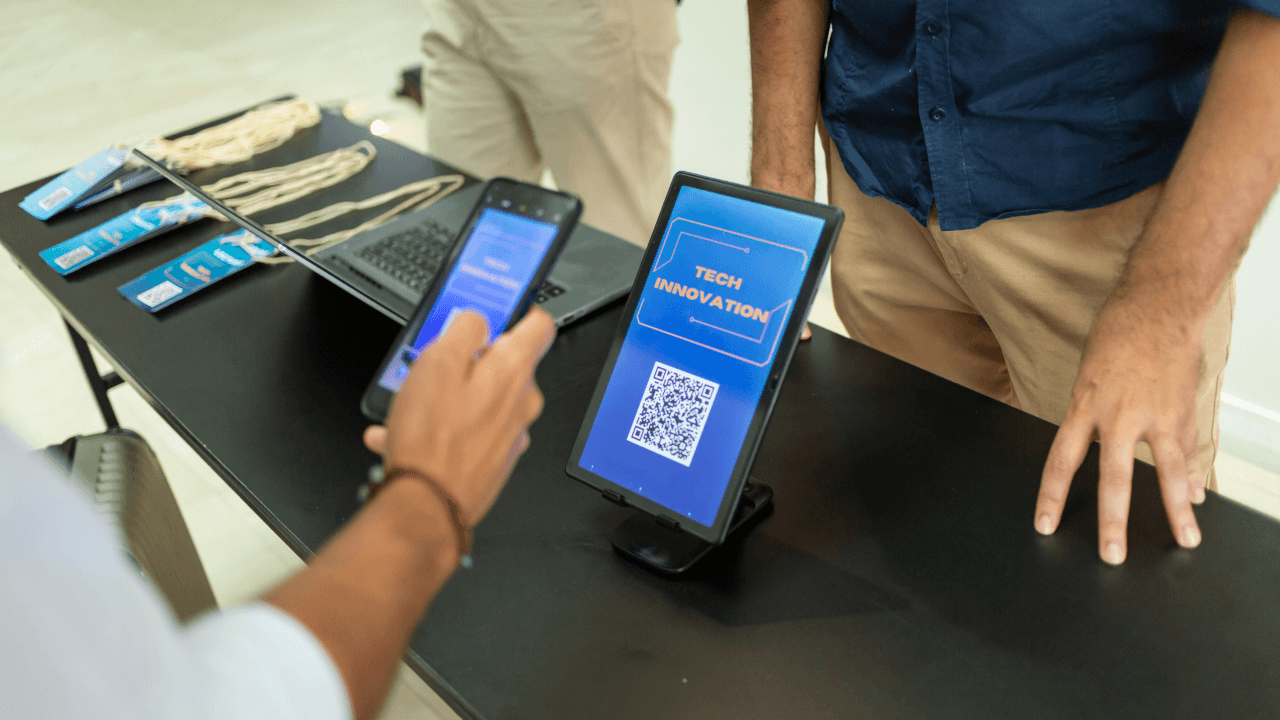
The debate over "virtual vs. in-person" is over. In 2026, the most successful corporate event services are "Phygital." This means the digital experience is not a secondary stream but a fully integrated layer of the physical event. A top-tier corporate event agency now designs environments where remote participants can interact with physical installations via "Digital Twins" of the venue.
For the on-site attendee, this connectivity manifests through "Smart Wearables" and AI-driven networking. Instead of awkward business card exchanges, a corporate event organizer facilitates "Intelligent Matchmaking." Guests receive real-time push notifications when they are in proximity to a peer or potential partner whose professional interests align with their own. This high-touch, tech-enabled environment is why brands are increasingly outsourcing to specialized corporate event management companies rather than relying on overstretched internal teams.
Agile Budgeting and Risk Mitigation in 2026
In a global economy defined by rapid shifts, "Static Budgeting" has become a liability. Professional corporate event services now utilize "Predictive Budget Modeling." Using AI to analyze historical data, local market inflation, and vendor capacity, a corporate event agency can forecast potential cost overruns with 95% accuracy months in advance.
This agility allows brands to pivot their strategy in real-time. If the data suggests a surge in local travel costs, the corporate event organizer can shift resources from traditional hospitality to "Hyper-Regional Hubs"—smaller, high-impact events held simultaneously across different cities. This "Hub-and-Spoke" model reduces the environmental footprint and travel fatigue while maintaining the high-level production standards expected of a luxury brand.
The New Standard of Brand Advocacy
Finally, the modern corporate event agency is a guardian of company culture. In the era of remote and hybrid work, the internal corporate event is the only time a workforce truly "feels" the brand. A specialized corporate event organizer treats these internal sessions with the same production value as a public-facing product launch. By utilizing immersive storytelling and collaborative gamification, corporate event management companies help foster "Brand Belonging," which is the single most effective tool for employee retention in 2026.