Encore Global is investing $100 million in product and digital upgrades this year, a move that could affect how planners source production support, streamline ballroom logistics, and improve attendee-facing event experiences across meetings, conferences, and live programs.
Encore Global’s decision to commit $100 million to innovations this year is a notable signal for the meetings and events sector. While the company has not framed every initiative as a headline feature, the scale of the spend suggests a broad push toward tools that can improve production efficiency, planner visibility, and on-site execution. For event professionals, that matters because production partners increasingly shape everything from room flow to attendee engagement.
Nationwide corporate event planning
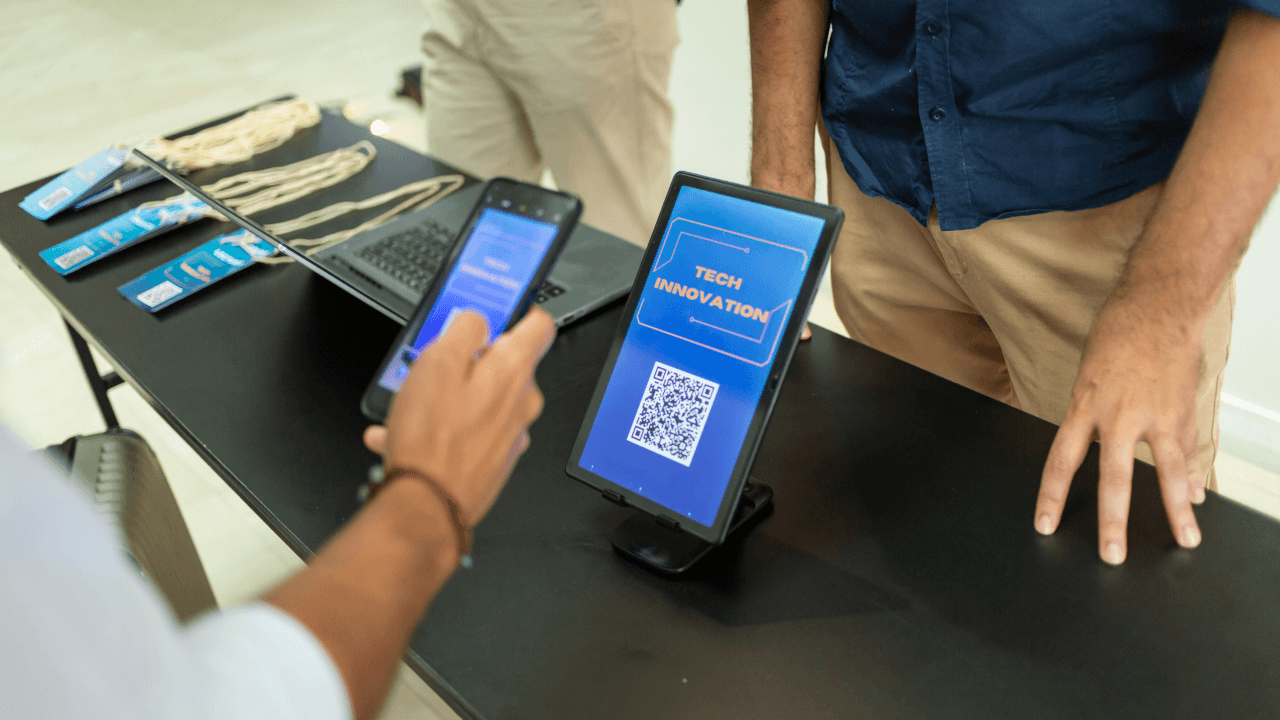
Event teams are under pressure to do more with leaner timelines, tighter budgets, and higher expectations. That makes production partners more than behind-the-scenes vendors; they are operational collaborators who affect the entire program experience. Investments in digital tools, workflow improvements, and better support systems can help reduce friction during sourcing, setup, and show management. For planners, the most useful upgrades are often the ones that quietly save time and limit surprises.
Explore nationwide event planning support
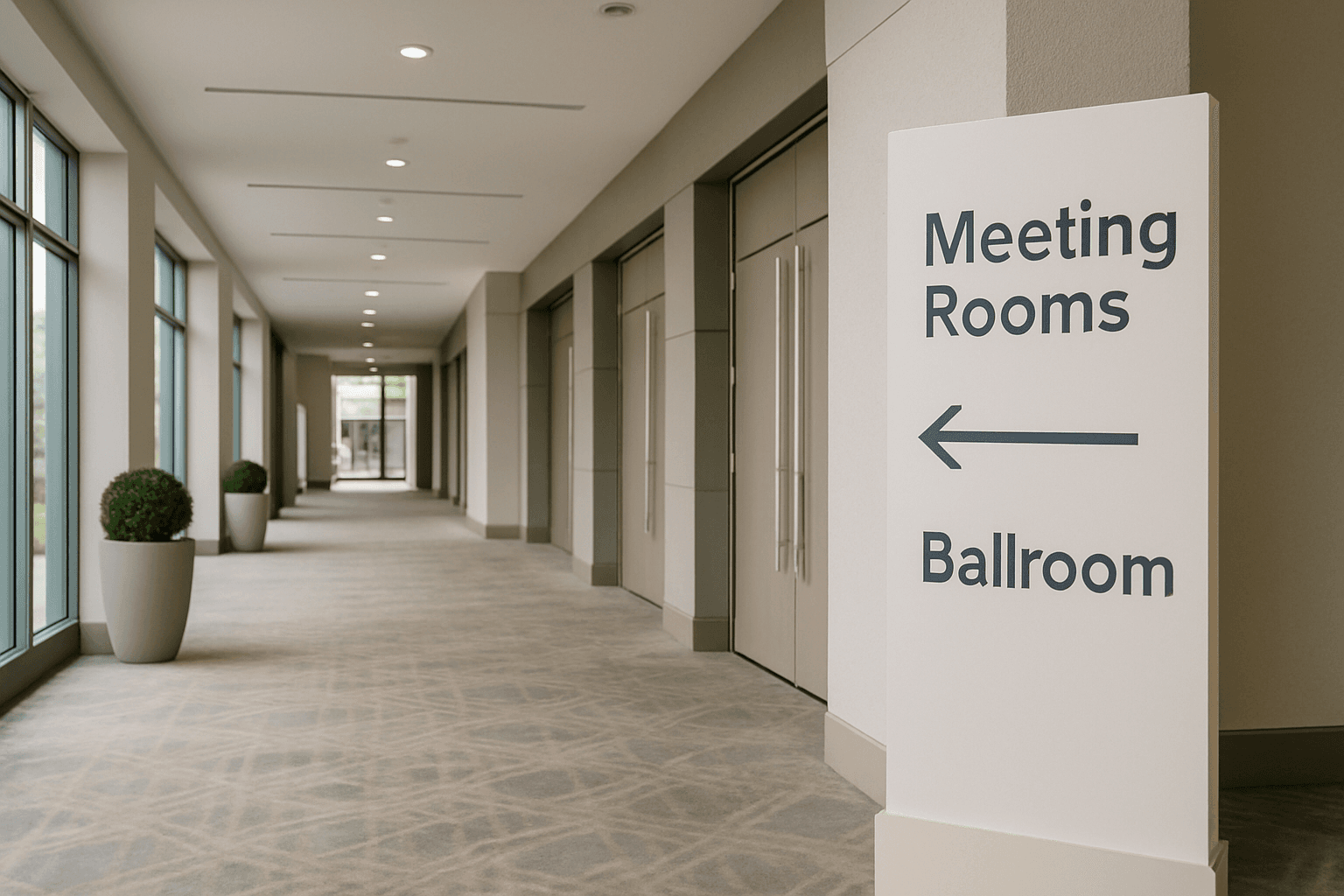
Much of the value in production innovation is easiest to see in the ballroom, where AV, staging, lighting, and attendee movement all intersect. The article notes that Encore executives want the investment to translate into planner-friendly tools, which suggests practical improvements rather than flashy tech for its own sake. If those tools help teams manage specs faster or coordinate more clearly with venues, the impact could be felt across conferences, general sessions, and corporate meetings.
Corporate conferences and seminars
The events industry has long treated technology and service as separate strengths, but the best production partners now blend both. Software can speed up communication, standardize builds, and improve visibility, yet the human layer still determines whether an event runs smoothly. That is why investments like this tend to resonate with planners: they can support better decisions without replacing expertise. In practice, the strongest outcomes usually come when digital tools and experienced crews work in tandem.
Client appreciation events
For planners, a major investment from a production company can influence how vendor comparisons are made. Teams often weigh responsiveness, reliability, and ease of collaboration alongside cost, and a more modern toolkit can strengthen a provider’s value proposition. It may also push competitors to improve their own systems and service models. Over time, that competition can benefit the market by making production partners more transparent, more efficient, and easier to work with.
Contact Nexa Events
The key question is whether this investment leads to tangible improvements that planners can feel during the sourcing and execution process. Look for updates that simplify planning, enhance communication, or improve how production teams support hybrid and in-person programs. If the rollout delivers on those goals, it could help set a new standard for what planners expect from a production vendor. For now, the announcement is a useful reminder that infrastructure investment is becoming a real differentiator.
Plan smarter with Nexa Events
Need help turning event trends into a stronger program? Nexa Events can help you shape production, venue, and guest-experience strategies that fit your goals.
Sources