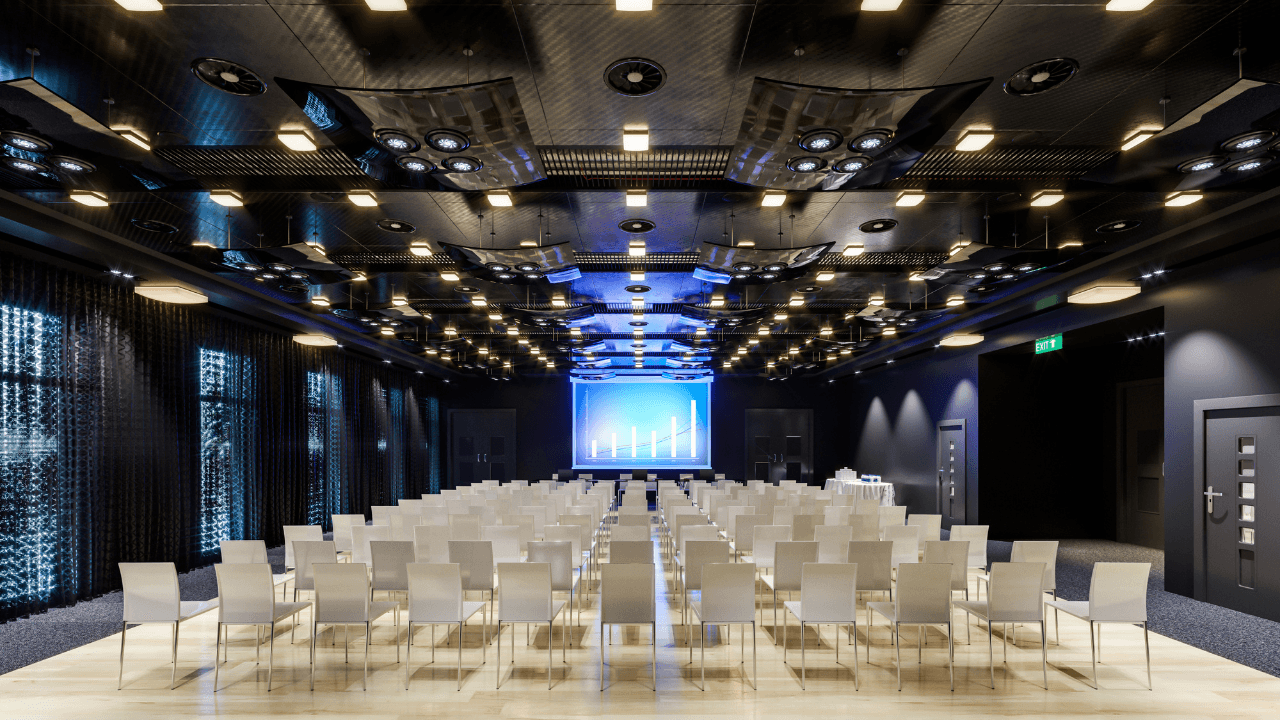
Corporate events are more than just gatherings; they are strategic opportunities to strengthen relationships, motivate employees, and impress clients. From product launches and conferences to team-building activities and holiday celebrations, well-planned corporate events can create lasting impressions that reflect your company’s values and culture. The key is balancing professional objectives with engaging, memorable experiences that resonate with every attendee.
Why Corporate Events Matter
Corporate events serve multiple purposes. They can celebrate achievements, foster teamwork, educate clients, launch products, or reinforce branding. Successful events are carefully planned to align with business goals while providing meaningful experiences for participants. Companies that invest in thoughtful event planning often see higher employee engagement, stronger client relationships, and a more cohesive organizational culture.
Events also provide opportunities for networking and collaboration. Employees can connect across departments, clients can engage directly with your team, and leadership can showcase company vision and values. When done well, corporate events become memorable milestones that reinforce trust and loyalty, both internally and externally.
Types of Corporate Events
There are numerous types of corporate events, each serving a unique purpose. Product launches allow companies to highlight innovations and make a strong impression on clients and stakeholders. Conferences and seminars provide valuable learning opportunities while creating networking moments. Team-building events strengthen workplace collaboration and improve morale. Holiday parties and annual celebrations recognize employee contributions and foster a positive company culture. Every event type requires careful planning, from concept development to execution, to ensure it meets its intended goals.
Creative Corporate Event Ideas
To make corporate events stand out, creativity is essential. Instead of a traditional dinner or lecture, companies can incorporate interactive workshops, immersive experiences, or live entertainment. Customized décor, themed environments, and branded activations create a distinctive atmosphere that reinforces company identity. Engaging activities keep attendees involved and promote meaningful interactions, making the event more memorable and impactful.
Unique touches, such as surprise elements, gamification, or recognition ceremonies, further elevate the experience. By combining professional value with engaging elements, companies can ensure their events leave a lasting impression on both clients and employees.
Planning and Execution Tips
The success of a corporate event relies heavily on strategic planning and seamless execution. Choosing the right venue, managing catering and audiovisual needs, coordinating schedules, and ensuring smooth logistics are critical to delivering a polished experience. Professional planning minimizes disruptions, keeps events on track, and enhances attendee satisfaction.
In addition, companies should evaluate the impact of each event. Gathering feedback, measuring engagement, and analyzing outcomes helps improve future events. Continuous refinement ensures corporate events remain effective tools for achieving business objectives while providing enjoyable experiences for participants.
Benefits of Corporate Events
Investing in well-planned corporate events yields significant benefits. Employees feel valued and motivated, clients feel appreciated and engaged, and the company’s brand is reinforced through memorable experiences. Effective events create stronger workplace culture, build loyalty, and provide opportunities for meaningful connections that extend beyond the event itself.
Choosing the right concepts, executing with attention to detail, and focusing on attendee experience are the keys to hosting corporate events that genuinely impress and deliver measurable results.