Charlotte's Eastland Sports Campus is expected to bring new tournament and visitor activity to East Charlotte. For planners, the larger implication is future demand around hotels, hospitality operations, and off-site event opportunities.
Why this project matters beyond sports
The City of Charlotte says the Eastland Sports Campus is expected to become a major economic driver for East Charlotte. The project includes six multipurpose athletic fields and a 100,000-square-foot indoor center with courts and event-supporting amenities. For planners, the significance is not limited to athletics. Projects like this can influence hotel demand, traffic patterns, hospitality staffing, and the overall rhythm of visitor activity in nearby areas. Even before opening, they give event teams a reason to start watching how future amateur sports traffic could overlap with conferences, brand activations, local receptions, and sponsor-facing programs.
Explore Nexa Events in Charlotte
Visitor volume can reshape nearby event planning
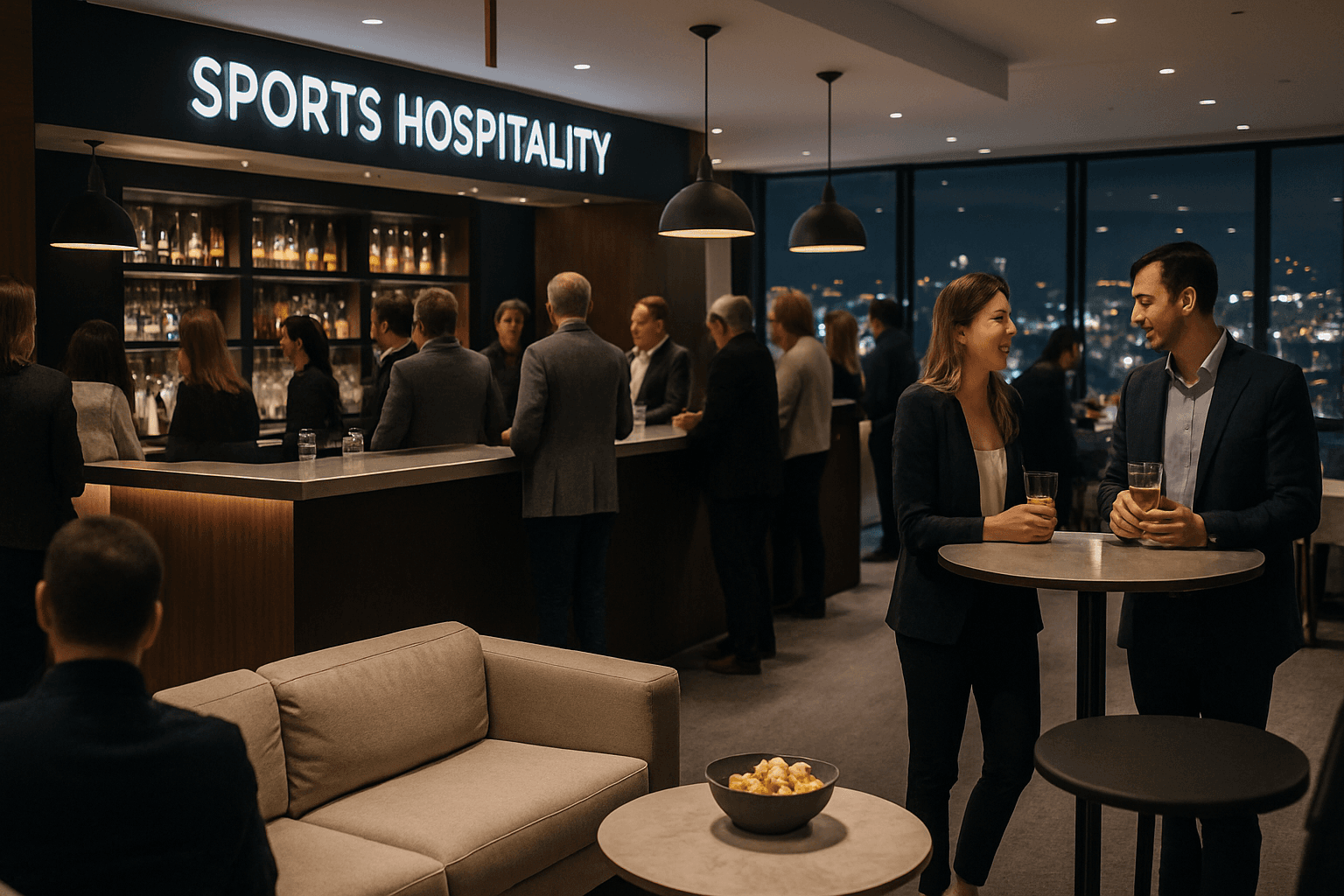
When a city adds a destination-oriented sports campus, the first-order effect is obvious: more people coming in for tournaments and related activity. The second-order effect is what planners care about. Increased visitor traffic can create new opportunities for hospitality partnerships, family programming, sponsor events, networking receptions, and adjacent business gatherings. It can also tighten availability during peak weekends and make timing decisions more important for unrelated corporate events. The source frames Eastland as a source of economic activity and energy, and that is exactly why planners should treat it as a future demand factor, not just a development headline.
Charlotte corporate events
Charlotte gets another event-adjacent infrastructure signal
Charlotte has already been strengthening its profile through sports, business growth, and destination momentum. Eastland adds another layer to that story, especially because amateur sports can produce recurring activity rather than one-off headline moments. For event producers and corporate planners, recurring traffic matters because it influences venue strategy, room blocks, staffing assumptions, and local vendor strain. A project does not need to be a convention center to affect the meetings landscape. If it creates repeat visitation and concentrated weekend demand, it becomes relevant to anyone planning around availability, guest pacing, and citywide scheduling pressure.
Charlotte conferences and seminars
What planners should watch before opening
The campus is expected to open in late 2028, so the immediate move is not to overreact. It is to build awareness early. Teams with longer planning horizons should monitor surrounding hospitality development, transportation updates, and how the city positions Eastland within its broader event economy. For local corporate events, even a future project can affect date strategy and neighborhood selection. For out-of-town brands, it may eventually expand the set of reasons Charlotte feels attractive as a host market. The best planners do not wait until demand arrives; they watch the infrastructure signals that usually come first.
Contact Nexa Events
The opportunity is in timing and positioning
The biggest takeaway is not that every Charlotte event should suddenly pivot toward sports. It is that destination infrastructure shapes business events indirectly. A city with more reasons to attract visitors often becomes a city where event timing, guest movement, and hotel strategy require more discipline. Eastland Sports Campus fits that pattern. As the project advances, planners who understand its likely effect on demand can make stronger decisions about where to host, when to host, and how to frame the attendee experience. That is where local market awareness starts becoming a genuine planning advantage.
Plan Around Charlotte’s Next Demand Drivers
Nexa Events helps teams read local demand shifts before they become logistical problems. Contact Nexa Events if you need a sharper Charlotte strategy for venue selection, timing, and guest experience.
Sources