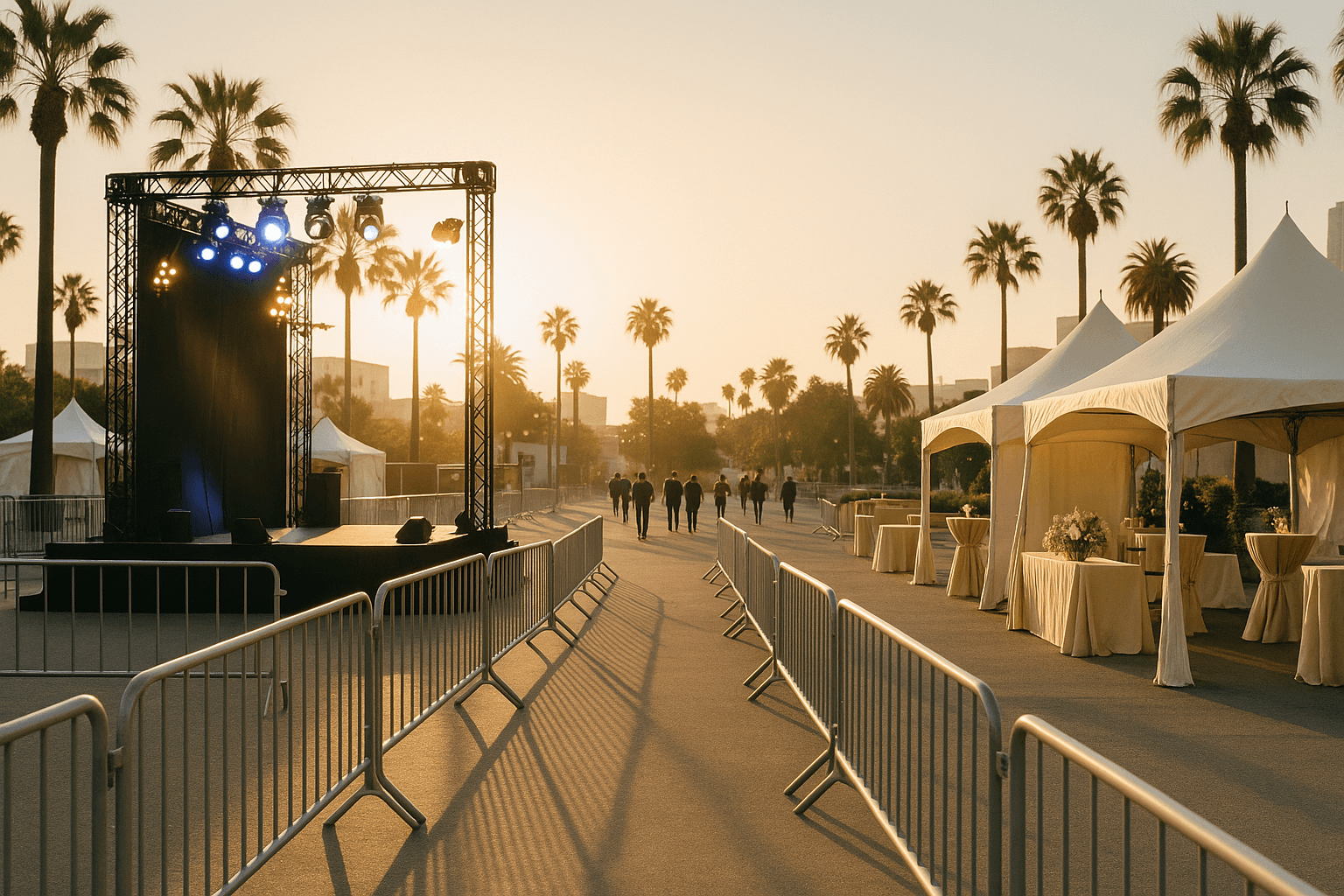
LA World Cup Fan Zones Raise the Event Production Bar
Los Angeles World Cup 26 programming shows how modern large-scale events now depend on regional guest flow, transit planning, accessibility, and distributed experiences.
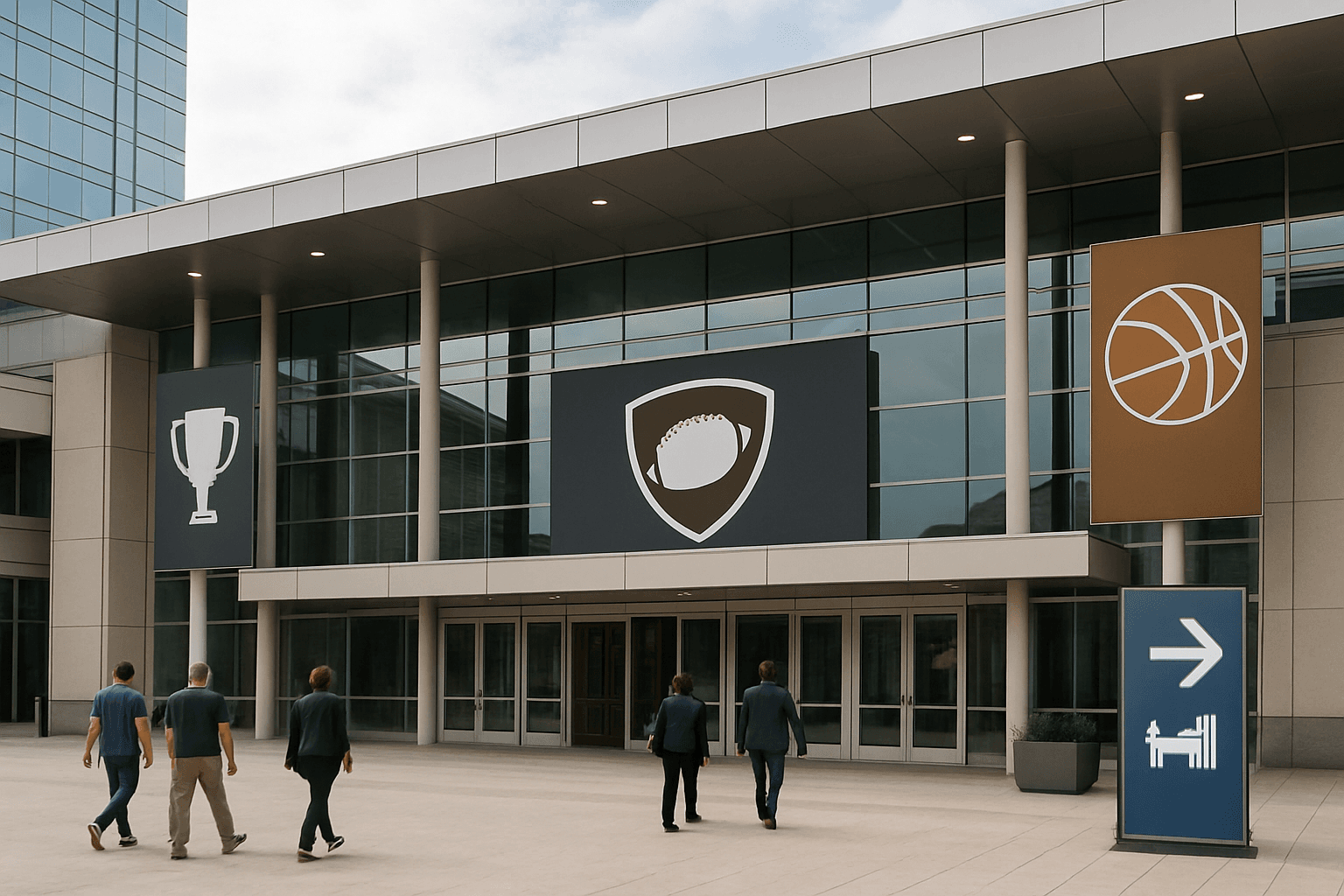
Sports calendars are becoming a stronger planning factor for cities courting meetings, incentives, and brand activations. Recent examples from California show how major tournaments and upcoming international events can influence hotel demand, venue positioning, and attendee experience strategies.
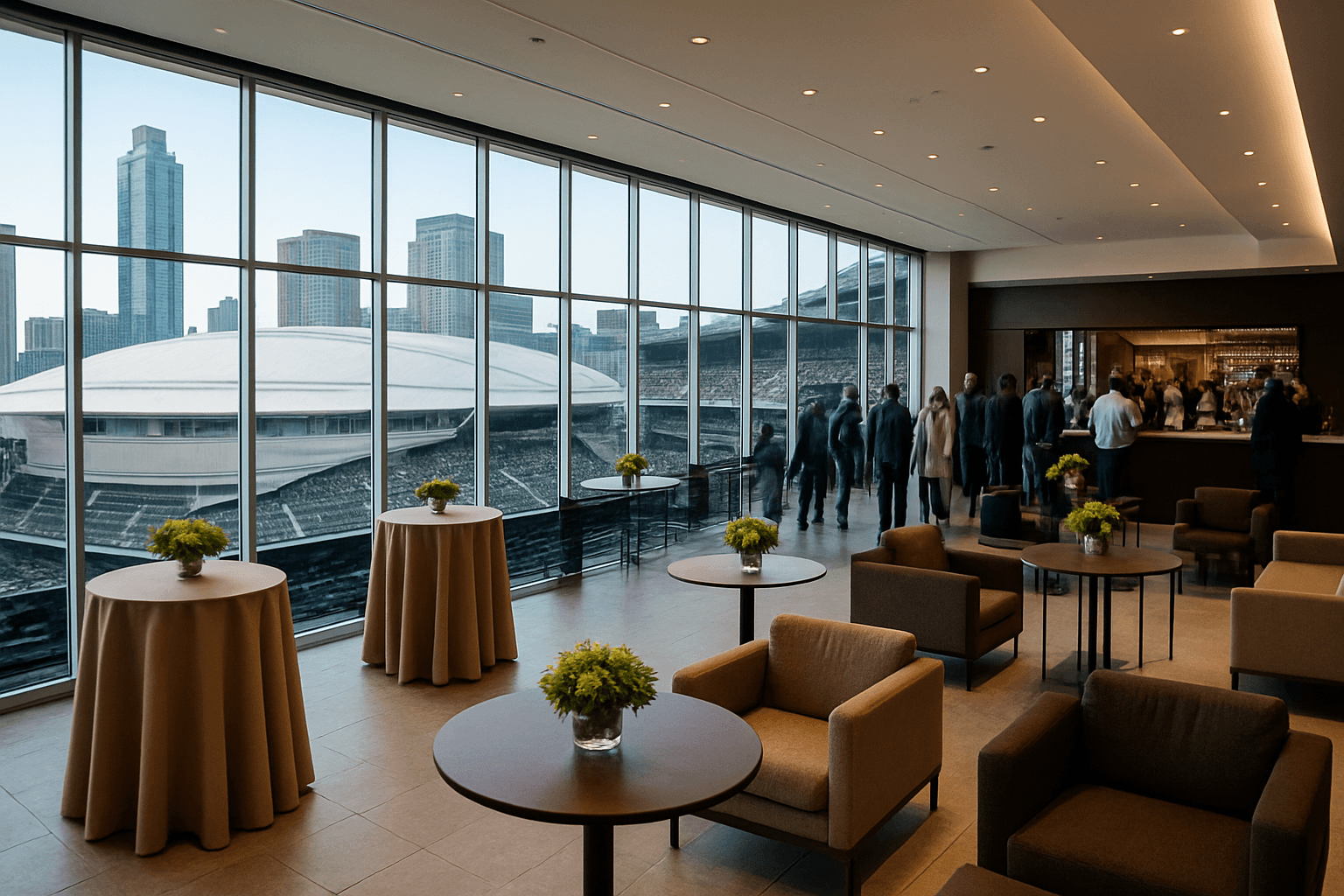
Sports calendars are becoming a stronger planning factor for cities courting meetings, incentives, and brand activations. Recent examples from California show how major tournaments and upcoming international events can influence hotel demand, venue positioning, and attendee experience strategies.
Cities that host major sports events are increasingly seeing benefits that extend beyond the stadium. Hotels, restaurants, and convention stakeholders are using those calendars to position themselves for meetings, fan travel, and brand experiences that arrive alongside the games. For planners, that means destination demand is no longer shaped only by trade shows and convention dates. It can also rise around tournaments, championships, and other high-profile sports moments.
Explore Nexa Events in Los Angeles
In the Smart Meetings article, Santa Barbara and Anaheim are highlighted as California markets building momentum around sports tourism. With the FIFA World Cup 2026 approaching and the 2028 Olympics on the horizon, destinations are signaling that sports can be part of a broader visitor strategy. That matters for events because it can affect hotel inventory, room rates, and the overall competitiveness of a market. Planners watching these cities may find both opportunity and tighter availability.
Los Angeles corporate event planning
A busy sports calendar can be a plus if your event benefits from energy, visibility, and added travel demand. It can also create challenges if your group needs meeting space, preferred room blocks, or predictable transportation. The key is to evaluate each destination with a wider lens: not just whether the city is attractive, but whether it can absorb multiple visitor segments at once. Early sourcing and flexible dates become more valuable when sports demand is in the mix.
Event production with Nexa Events
When a destination expects heightened interest, hotels and venues often respond with more strategic packages and service offerings. That can include upgraded group amenities, customized guest experiences, and partnerships that help stretch the destination story beyond the event itself. For corporate programs and incentive trips, this can create a stronger value proposition. For weddings and social events, it may also influence the timing and style of celebrations in popular markets.
Sports-driven demand is not only about room nights and venue sales. It also shapes the guest journey, from arrival logistics to off-site dining and entertainment options. Cities that prepare well can turn a crowded calendar into a memorable experience for attendees, whether they are there for a meeting, a product launch, or a hosted VIP program. Planners should ask how a destination balances access, service, and atmosphere when visitor traffic increases.
The broader takeaway is that sports are becoming a meaningful factor in destination selection. As California cities prepare for major global events, planners across the country can expect more destinations to market themselves around crossover demand from sports, leisure, and meetings. That creates both competition and choice, but it also raises the bar for early planning. Teams that monitor destination calendars closely will be better positioned to secure value and deliver a smoother attendee experience.
Nexa helps planners align venue strategy, timing, and guest experience around busy destination calendars. Contact our team to build an event plan that works with demand, not against it.
They can increase hotel demand, affect pricing, and create both opportunities and constraints around availability, transportation, and guest experience.
It can strengthen tourism, boost visibility, and support local hospitality partners by bringing in multiple audiences at once.
Review hotel inventory, venue availability, transit conditions, citywide events, and cancellation or attrition terms before confirming dates.
They can be, especially if the event benefits from strong energy and added amenities, but planners should balance excitement with cost and logistics.
Yes. Popular destinations may see tighter room blocks, higher rates, or limited venue availability during major sports periods.


.png&w=1920&q=75)
.png&w=1920&q=75)