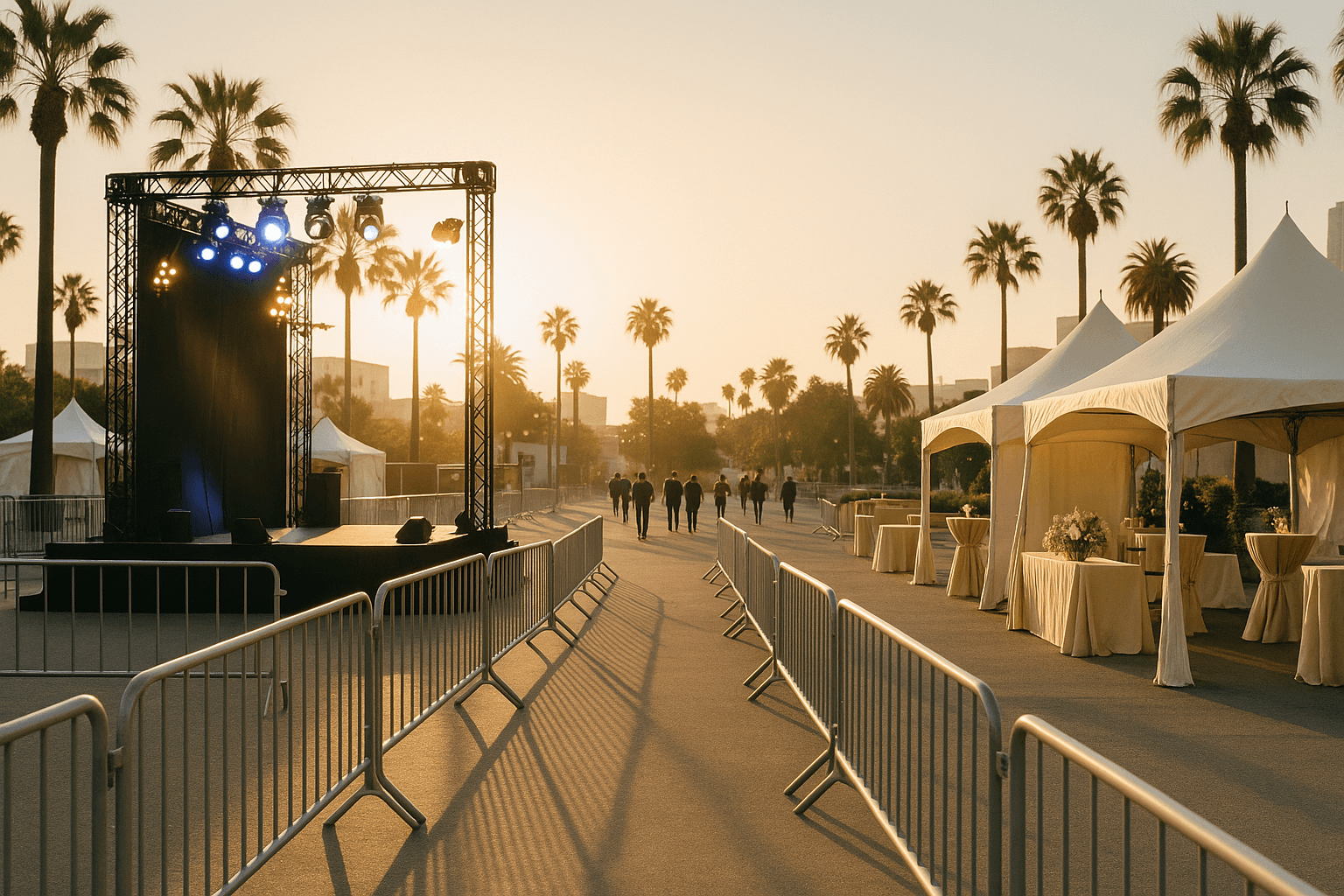
LA World Cup Fan Zones Raise the Event Production Bar
Los Angeles World Cup 26 programming shows how modern large-scale events now depend on regional guest flow, transit planning, accessibility, and distributed experiences.
Los Angeles' convention center expansion plan points to more flexible exhibit, meeting, and multipurpose space. For planners, the real takeaway is how added capacity can improve room flow, scale options, and citywide event potential.
Los Angeles' convention center expansion plan points to more flexible exhibit, meeting, and multipurpose space. For planners, the real takeaway is how added capacity can improve room flow, scale options, and citywide event potential.
The Los Angeles City Council's approval of the convention center expansion and modernization project matters because it addresses a practical planner problem: contiguous, flexible space. According to Discover Los Angeles, the project would connect the South and West Exhibit Halls, add 190,000 square feet, and create a hall with more than 750,000 contiguous square feet. That scale changes how organizers can think about registration, sponsor layouts, general sessions, and concurrent experiences. Instead of forcing compromises around fragmented halls, planners get a stronger chance to build cleaner event journeys from arrival through closing session.
Explore Nexa Events in Los Angeles
The project also adds 39,000 square feet of meeting room space and 95,000 square feet of multipurpose space. That matters because planners rarely struggle only with headline capacity. They struggle with transitions, breakouts, sponsor activations, catering support, speaker prep, and quiet corners for VIP or media use. More supporting space can reduce bottlenecks and help programs feel less crowded even when attendance is strong. For corporate events, that kind of flexibility often improves wayfinding, lowers stress on operating teams, and creates more options for sequencing content without forcing guests into awkward dead time.
Even before completion, this type of infrastructure story gives planners a checklist. Teams should look at how future room adjacencies could affect sponsor sales, how a larger contiguous hall might change preferred staging formats, and whether a Los Angeles program could support more citywide movement than before. It is also worth watching how venue operations communicate phasing, loading, and timeline expectations during modernization. For organizers of annual conferences, early awareness can shape contract strategy and help determine whether to hold steady, scale up, or redesign the event format around the venue's future capabilities.
Los Angeles conferences and seminars
A stronger convention campus makes Los Angeles easier to defend when internal stakeholders ask whether a destination can handle complexity. Discover Los Angeles framed the project as a way to strengthen competitiveness for large programs, and that is the key planning angle. Decision-makers want proof that an event city can support business goals, attendee convenience, and revenue opportunities at the same time. Added capacity, better meeting inventory, and more adaptable space all support that case. For brands and associations, the city becomes not just exciting, but more operationally credible for programs that need both scale and polish.
More space does not automatically create a better event. The advantage comes from using that space well. Planners still need to map attendee pacing, content density, guest touchpoints, and sponsor visibility with discipline. But when a venue gains contiguous exhibit area plus additional breakout and multipurpose inventory, the design ceiling rises. That can support more ambitious conferences, cleaner circulation, and stronger premium experiences without the same tradeoffs. For Los Angeles programs aimed at growth, the expansion story is less about hype and more about a practical increase in design options for future meetings and business events.
Nexa Events helps teams shape meeting formats, guest movement, and production plans around real venue conditions, not generic assumptions. If your Los Angeles program needs a sharper event strategy, contact Nexa Events.
The city approved an expansion and modernization project that would connect exhibit halls, add 190,000 square feet of space, and increase meeting and multipurpose room inventory.
Contiguous space makes it easier to create cleaner attendee flow, stronger sponsor layouts, and less fragmented event experiences.
No. Conferences, association meetings, corporate summits, and other large-format programs all benefit from more flexible meeting and support space.
They should watch phasing, venue operations updates, room configuration details, and how future inventory may affect event format and contracting strategy.
It strengthens the city's ability to host complex business events while giving planners more room to shape circulation, content flow, and premium experiences.
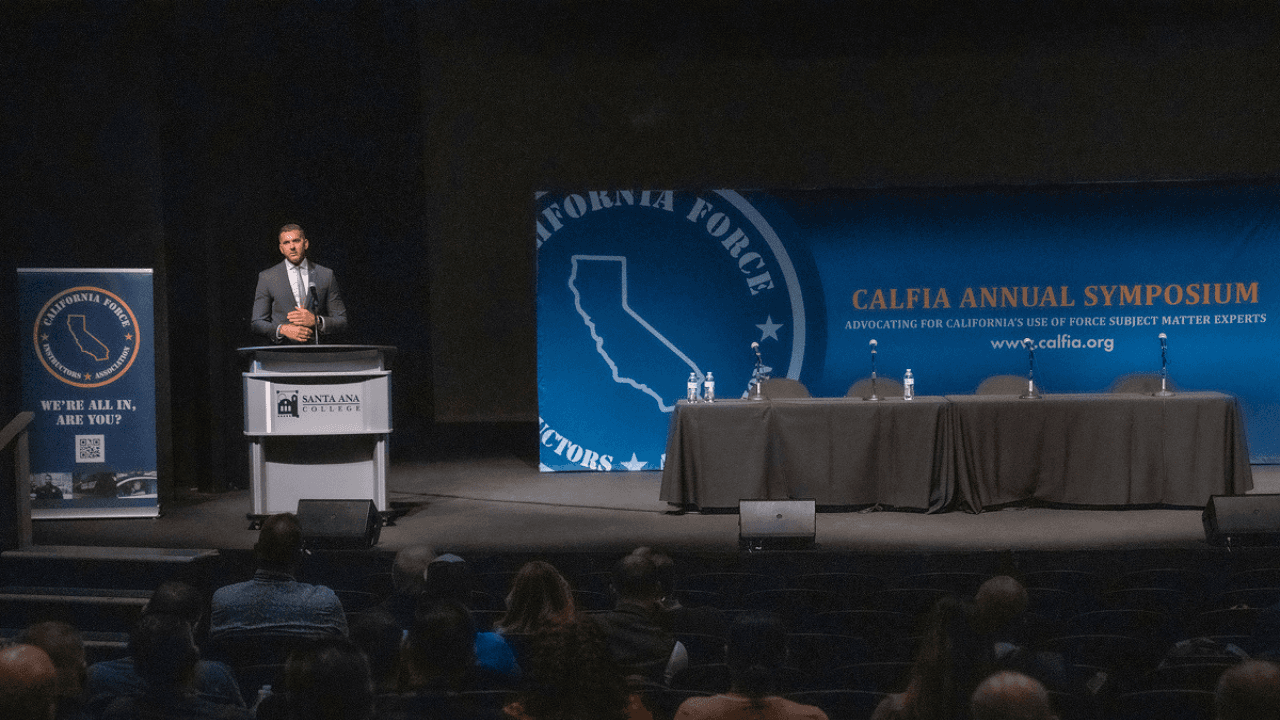
The Event: In 2025, the California Force Instructors’ Association (CALFIA) hosted its premier Use of Force Conference at Napa Valley College. The mission was clear: "Better Training Means Better Policing." The event served as a critical hub for law enforcement trainers to master responsible use-of-force strategies, de-escalation tactics, and professional accountability.


.png&w=1920&q=75)