As live events get more complex, pre-production is becoming a strategic safeguard rather than a backstage formality. This piece examines how early coordination can help planners protect budgets, reduce timeline risk, and improve the attendee experience.
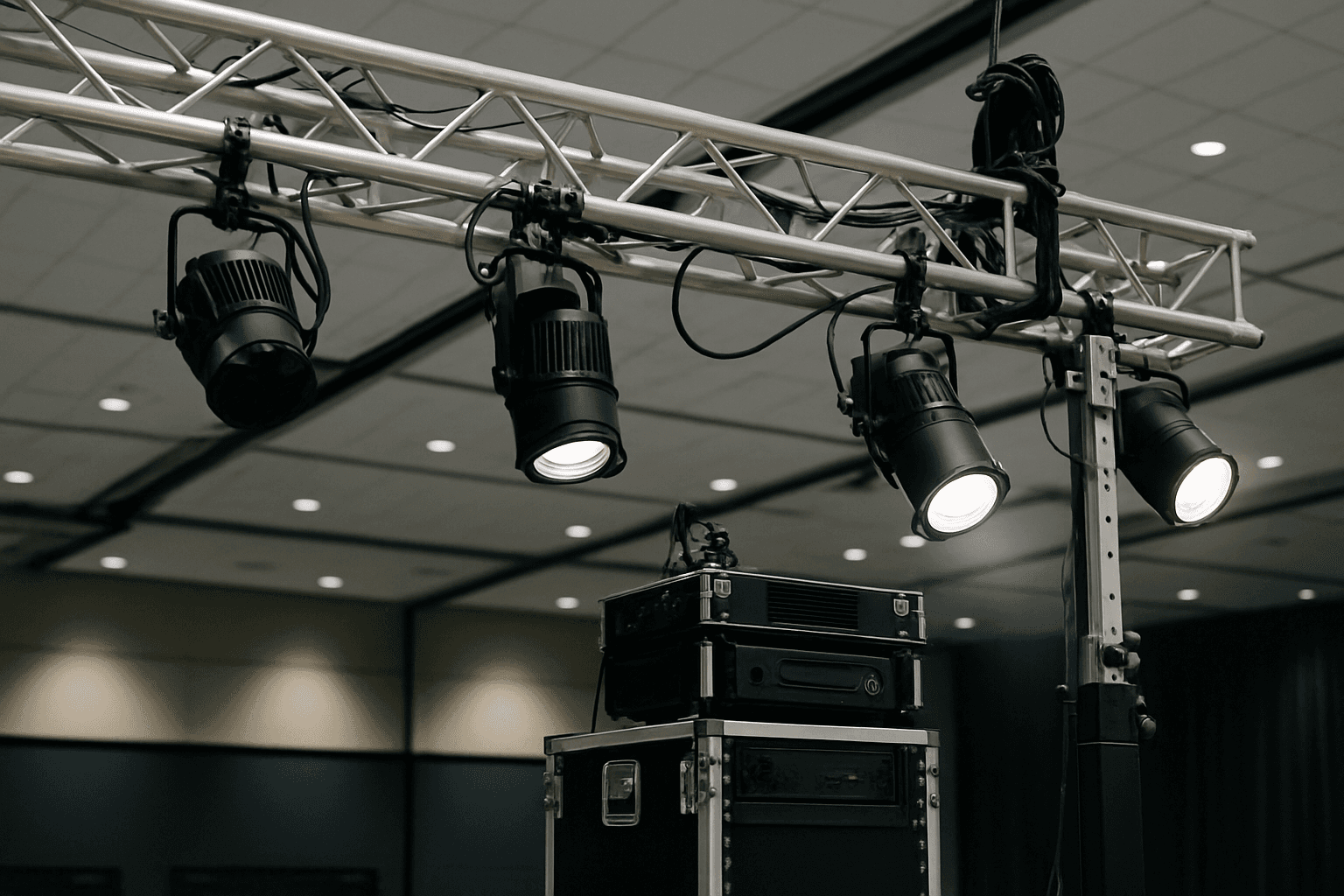
Live events are under more pressure than ever, with tighter timelines, higher attendee expectations, and more stakeholders weighing in on decisions. That makes pre-production a core part of event strategy, not just a technical prep step. When planners align early with audiovisual partners, venue teams, and production crews, they can spot problems before they reach the ballroom. The result is fewer surprises, cleaner execution, and a stronger overall guest experience.
Explore Nexa Events in Charlotte
Many event issues begin long before load-in day, often with incomplete specs, late content changes, or unclear responsibilities between vendors and planners. Those gaps can cascade into missed deadlines, added costs, and avoidable stress during setup. The Smart Meetings article emphasizes that strategic partners can help anticipate these friction points early. For planners, that means asking more detailed questions up front and building enough time into the workflow for reviews and revisions.
Charlotte corporate event planning
Budget protection starts with clarity: knowing what is needed, when it is needed, and who owns each decision. Early production planning can reduce overtime, rush fees, and last-minute equipment changes that often inflate event spend. It also helps teams evaluate where to invest for impact, such as speaker support, lighting, or staging that improves attendee flow. In practice, the savings come not from cutting corners, but from reducing rework and unnecessary duplication.
Wedding planning with Nexa Events
Event timelines are increasingly compressed, which leaves less room for trial and error. Pre-production creates a structured path for content collection, technical checks, venue coordination, and cue review before the live program begins. That kind of discipline is especially important for conferences and corporate meetings where multiple sessions, presenters, or rooms must stay in sync. When teams map the run of show early, they can move faster on site with fewer interruptions.
Contact Nexa Events
Attendees may never see the planning work behind a seamless event, but they feel the impact immediately. Strong pre-production supports clear audio, smooth transitions, accurate visuals, and fewer delays between agenda items. It also gives planners more room to design intentional moments that feel polished rather than improvised. In a competitive events market, those details matter because they shape how guests judge the professionalism and value of the program.
Before finalizing an event plan, teams should confirm deliverables, technical requirements, approval deadlines, and contingency options with every key partner. It is also worth clarifying what can still change after lock dates and what changes will trigger added cost or risk. For planners, the goal is not to add complexity, but to reduce it by making expectations explicit. A concise pre-production checklist can help keep the entire project aligned from kickoff to closing session.
Plan Smarter Before Doors Open
Need more practical planning insight? Explore more Nexa Events coverage on event operations, attendee experience, and venue strategy to help your next program run more smoothly.
Sources
.png&w=1920&q=75)