A Smart Meetings report on an event that devoted much of its program to conversation highlights a broader planning shift: organizers are rethinking agenda density, room design, and facilitation to make peer exchange the main value driver, not a side activity.
A Smart Meetings article about an event that gave 60% of its program to conversation points to a practical trend in business events: attendees increasingly value peer exchange over long blocks of presentation time. That does not mean content no longer matters. It means planners are rebalancing the agenda so learning, relationship-building, and idea-sharing happen in the same session architecture instead of being separated into “main stage” and “networking” buckets.
For Nexa readers, the commercial question is not whether conversation is trendy. It is whether the format supports the event’s goal, audience mix, and sponsorship model. A conversation-heavy agenda can work especially well when the audience is senior, highly specialized, or already familiar with the topic and looking for applied insight rather than introductory content.
Charlotte corporate event planning
Traditional conference schedules often overload attendees with back-to-back keynote and panel blocks, then expect a cocktail reception to create all the meaningful connections. In practice, that can leave people informed but not engaged. Conversation-forward programming tries to fix that by building interaction into the structure itself, such as moderated roundtables, peer exchanges, guided debate sessions, and facilitated small groups.
The planning implication is that agenda design becomes a strategic decision, not just a content calendar. Organizers need to decide where discussion will happen, who will lead it, how much time is realistic, and what kind of outcomes should be captured. For corporate event teams, this often means selecting fewer speakers but more experienced facilitators, and reserving space in the run-of-show for audience participation that is actually usable, not improvised.
Explore Nexa Events in Charlotte
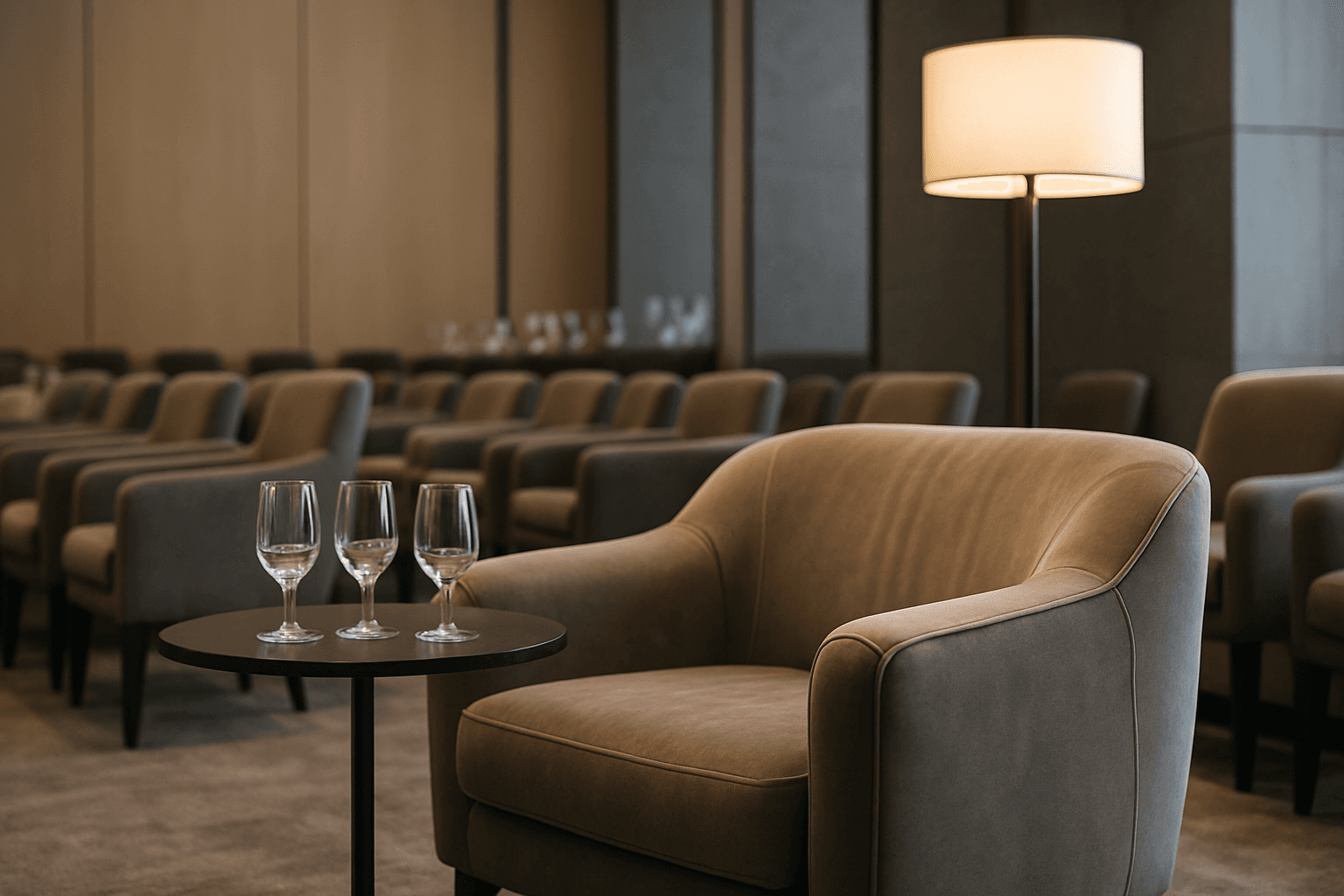
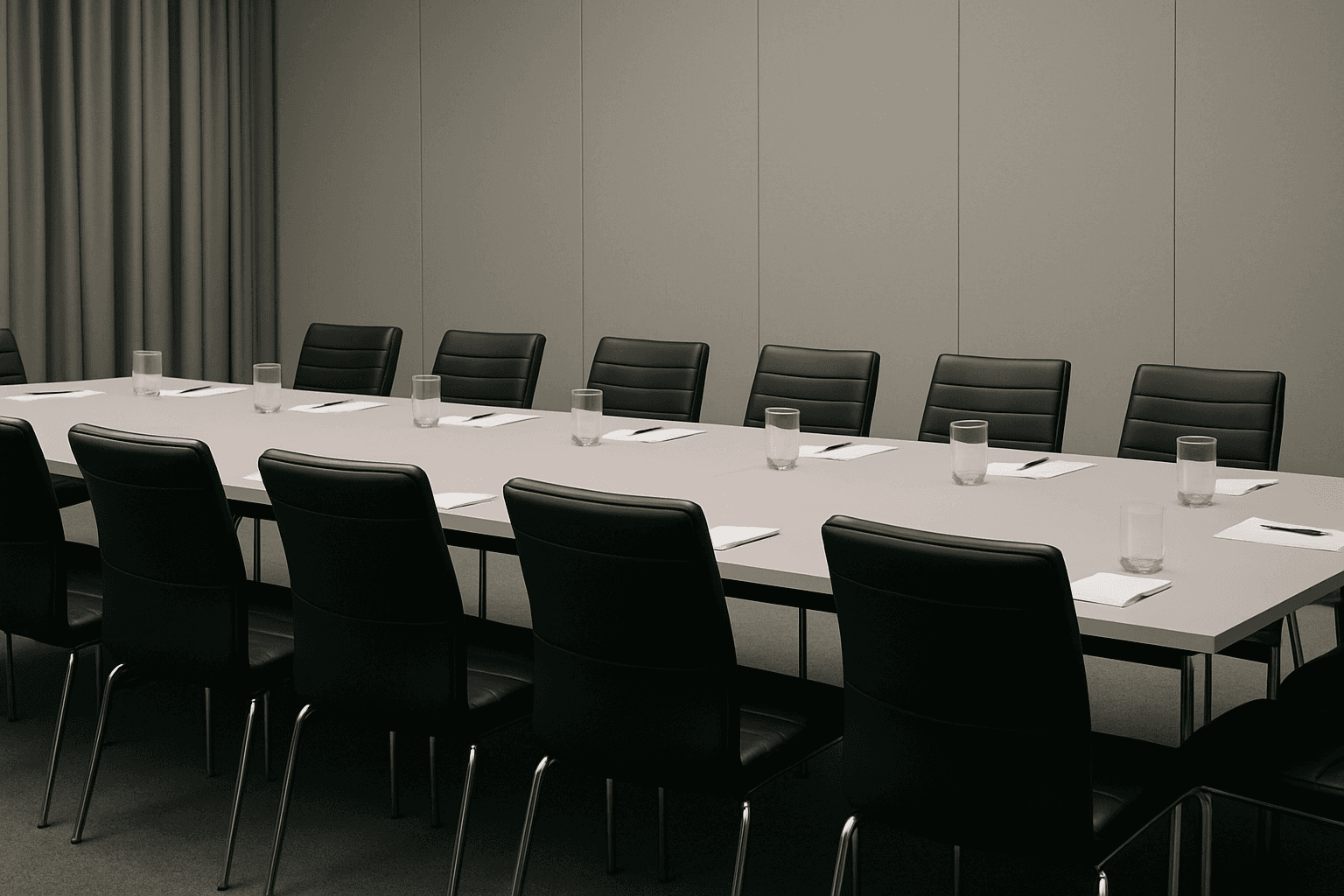
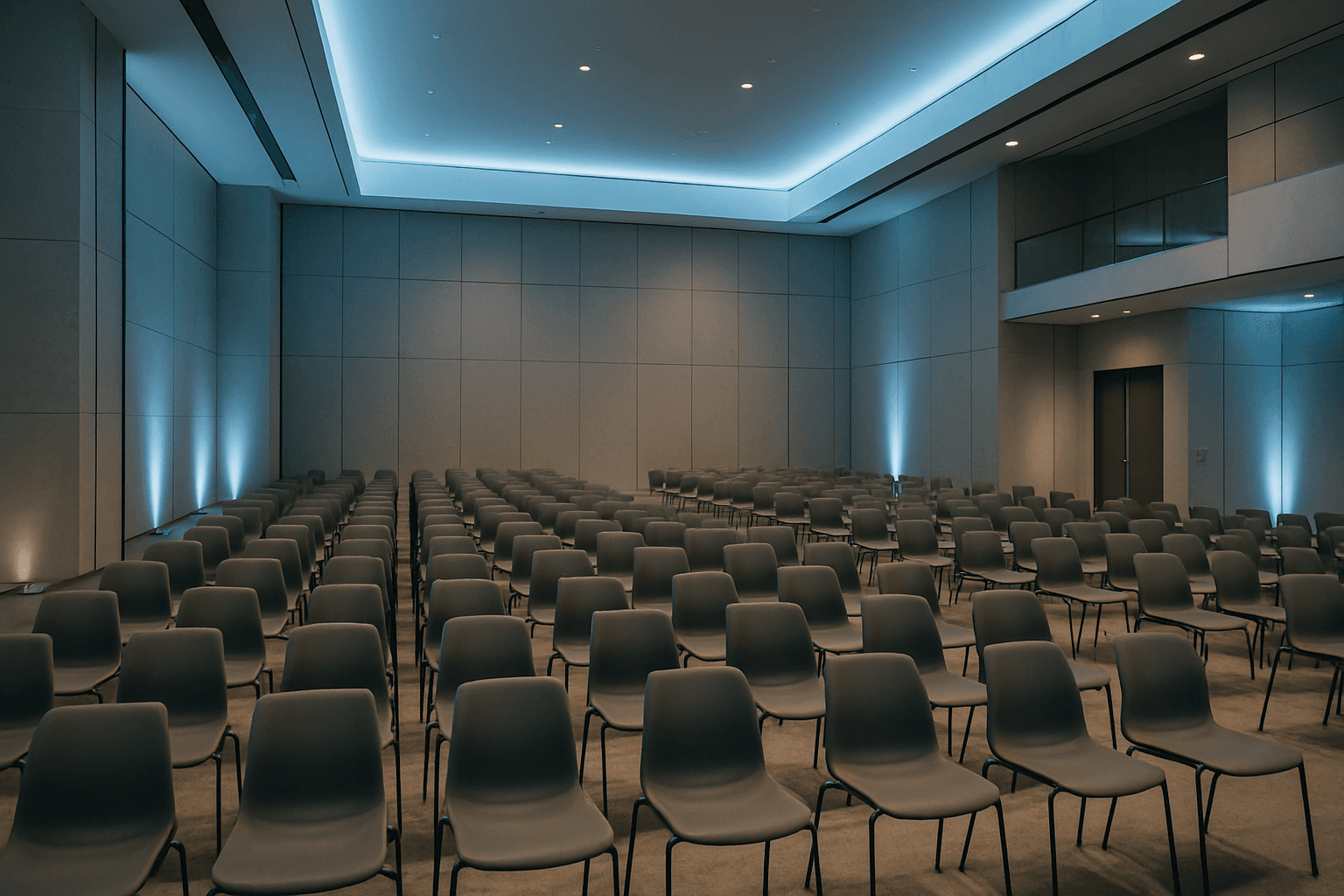
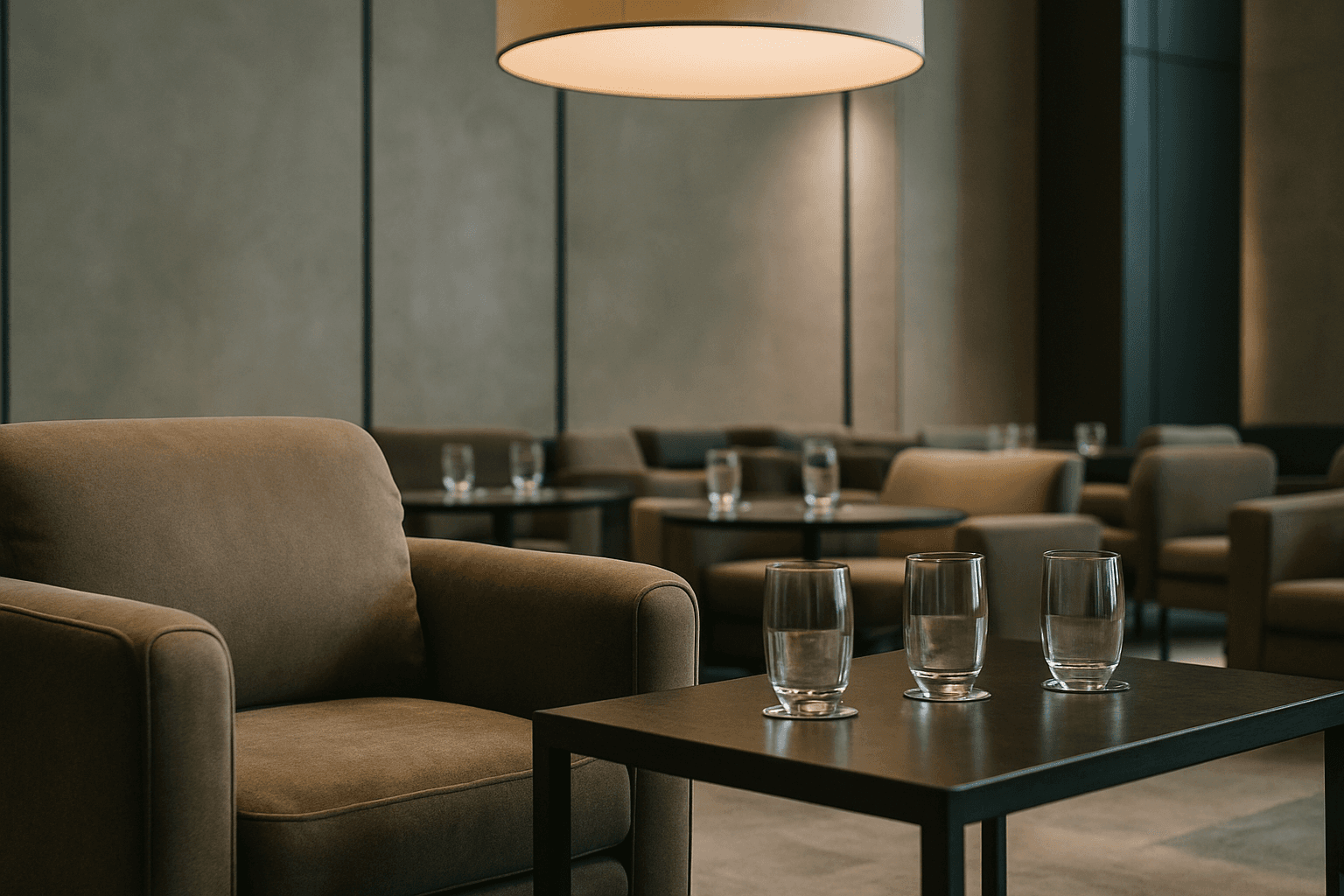
A conversation-first format only works if the venue and production setup can support it. Rooms need flexible furniture, strong acoustics, enough space for multiple circles or clusters, and easy transitions between plenary and breakout moments. If attendees cannot hear one another or if the room feels too formal for discussion, the concept loses momentum quickly.
Planners should also think through registration flow, badge design, and table assignments. Some events use pre-event surveys to group attendees by role, market, or business challenge; others rely on live prompts and host moderation to keep sessions productive. The operational test is simple: can attendees get into meaningful exchange within the first few minutes, or does the format spend too much time searching for its own rhythm?
Charlotte conferences and seminars
Sponsors often ask how a discussion-heavy agenda affects visibility, and the answer depends on the sponsorship inventory you build around it. If the program shifts away from long keynote blocks, there may be fewer standard stage impressions but more opportunities for branded facilitation, hosted roundtables, topic sponsorships, and executive-hosted conversations. That can be more valuable than logo placement if the audience is targeted and engaged.
For exhibitors, the lead quality may improve when attendees are invited to discuss challenges rather than just watch content. The tradeoff is that sponsors need clearer expectations about where they fit in the experience. Event teams should define which sessions are editorial, which are commercial, and how sponsor participation will be disclosed so the format remains credible with attendees.
Charlotte client appreciation events
Not every meeting should hand most of the schedule over to conversation. The best candidates are events where attendees already have a baseline level of expertise, where peer learning is part of the value proposition, or where the audience wants practical problem-solving more than introductory information. Annual user conferences, leadership retreats, association forums, and industry strategy meetings often fit that profile.
Planners should ask three questions before adopting the model: What is the attendee expectation? What format will make the most useful ideas surface? And can the team measure whether conversation actually improved outcomes? If the answer is unclear, a hybrid structure may be safer, with a strong keynote or briefing followed by guided discussion sessions that convert the content into action.
Contact Nexa Events
The broader lesson is that audience engagement is becoming a design principle, not a post-session add-on. Events that center conversation are responding to a real shift in attendee behavior: people want access to other people, not just access to information. For planners, that creates an opportunity to build events that feel more valuable, but only if the format is intentional and operationally sound.
Nexa can help teams assess whether a conversation-first structure fits the audience, venue, and program goals. If your next event needs stronger interaction, the right question is not how to add more networking. It is how to design the entire experience so discussion becomes the reason people show up.
Need help shaping a discussion-driven event program?
Nexa can help you translate a conversation-first concept into a workable agenda, room flow, and attendee experience plan. From session formats to speaker sequencing and networking design, our team supports event teams that want stronger participation without losing operational control.
Sources