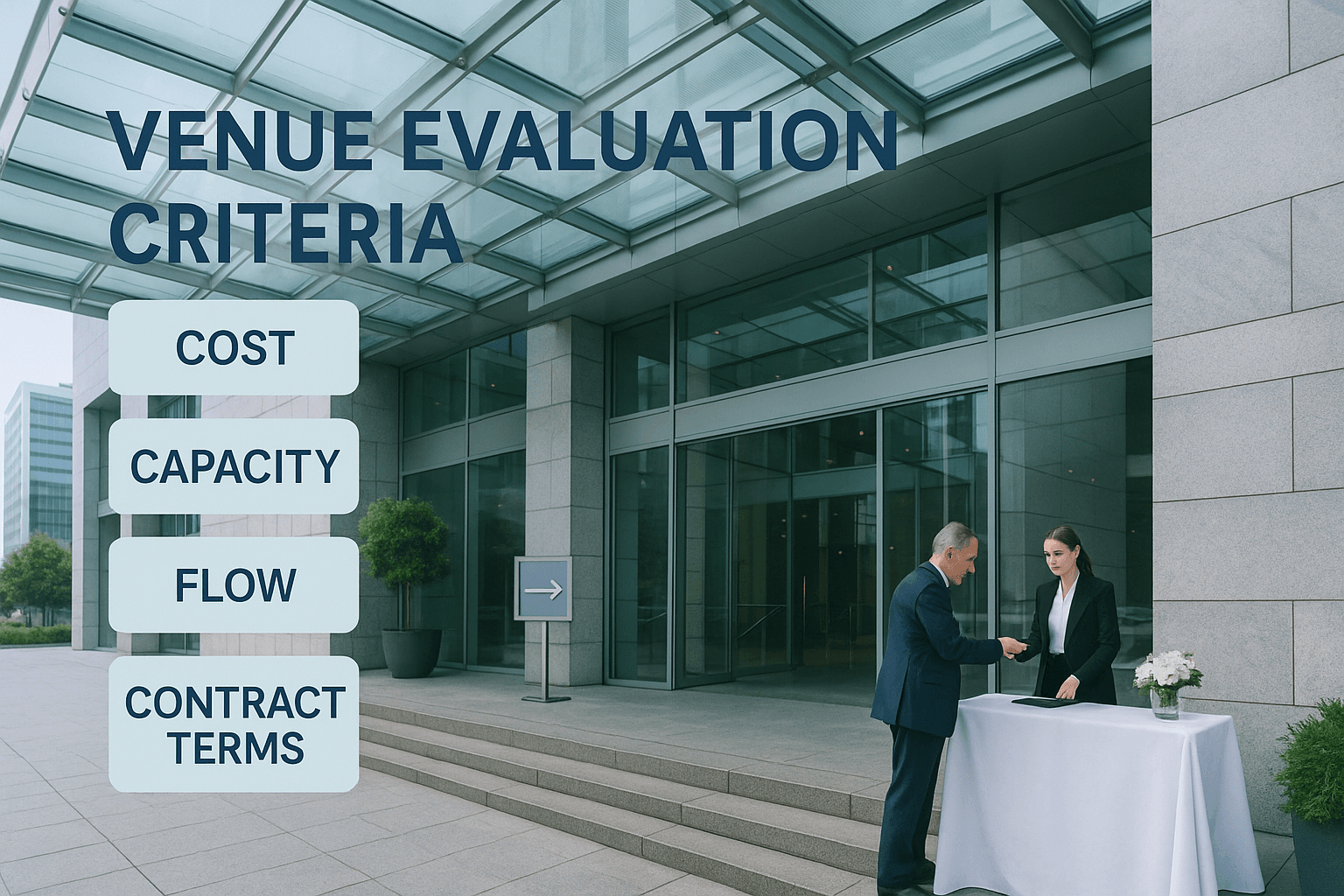
A strong wedding venue decision goes beyond the first impression. Use this guide to compare total cost, guest flow, weather backup, catering rules, vendor access, accessibility, curfews, and contract terms so you can choose with confidence.
Why the prettiest venue is not always the best fit
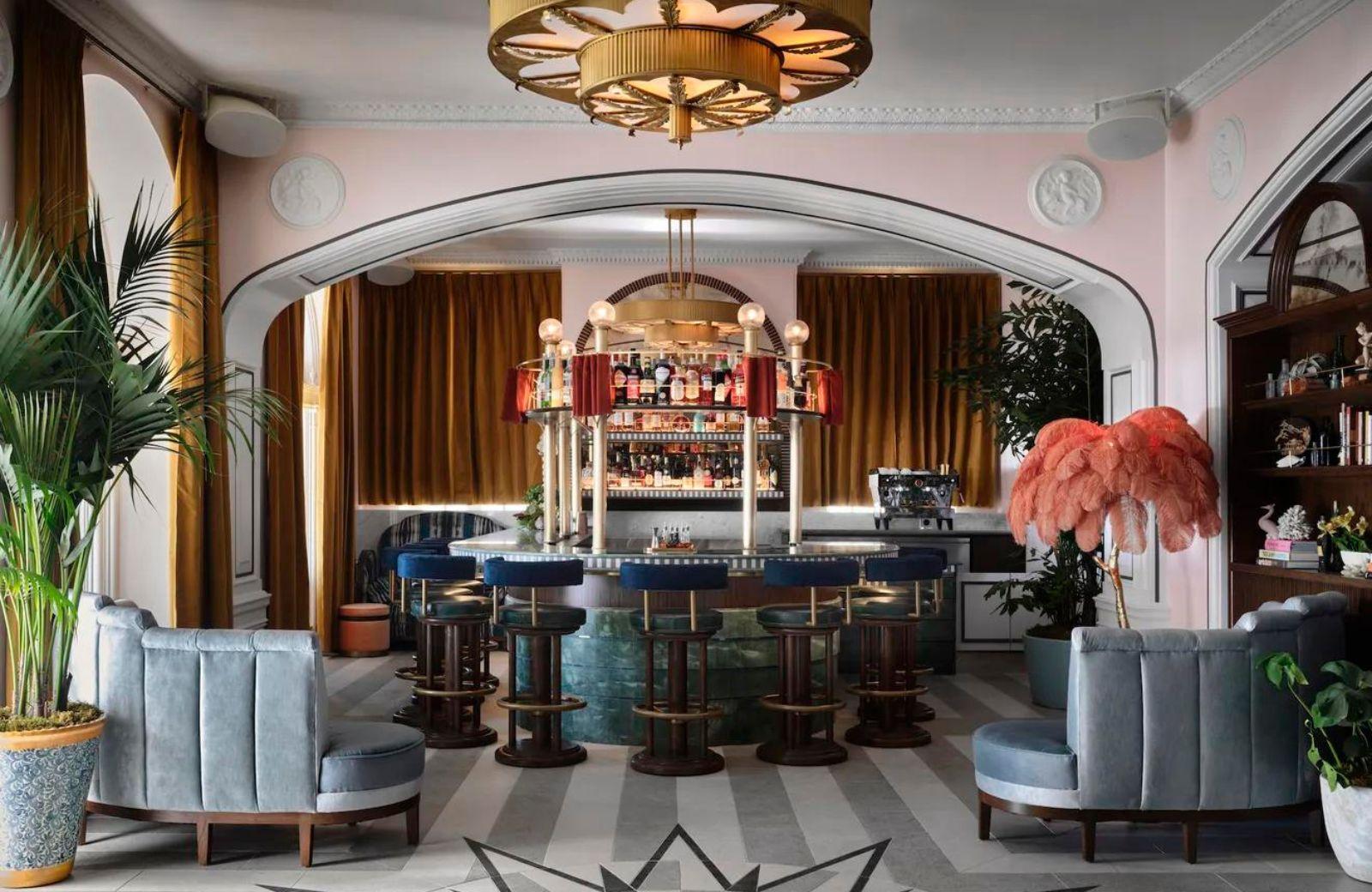
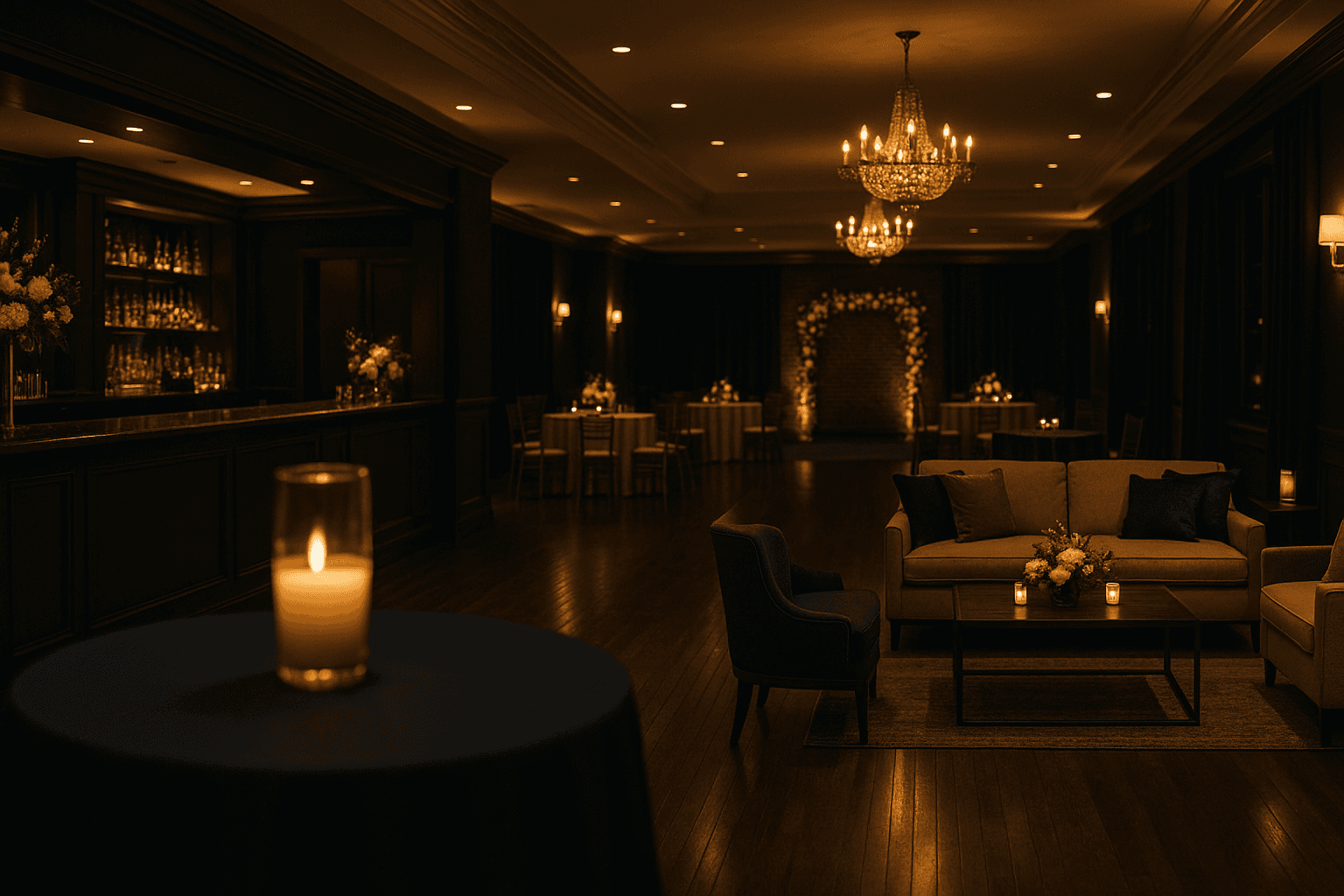
The right wedding venue should do more than photograph well. It should support the experience you want for your guests, your vendors, and your budget. Couples often fall in love with a room, a view, or a dramatic entrance, then discover that hidden fees, restrictive policies, or poor flow create stress later. A strategic venue decision looks at the full operating picture: how people move, where moments happen, what is included, and what tradeoffs you are accepting. For couples planning in Charlotte or comparing options nationwide, that mindset helps you avoid expensive surprises and keeps the planning process aligned with your priorities. The goal is not to choose the most elaborate venue; it is to choose the venue that best fits the wedding you actually want to host.
Start with the total cost, not the starting price
Venue budgets can be misleading when the base rental looks reasonable but the true total climbs quickly. Ask what the fee includes and what is added separately: tables, chairs, linens, staffing, parking, security, setup hours, cleanup, taxes, service charges, and overtime. Clarify whether you are paying for exclusive use or sharing space with another event. Request a sample invoice so you can see how the numbers look in practice. This is also the stage where a venue’s preferred vendors or required minimums can change the value equation. A venue that seems more expensive at first may actually be more efficient if it bundles essentials, while a lower-priced option may require so many external rentals that the final spend is higher than expected. Comparing venues through a total-cost lens protects your budget and strengthens your negotiation position.
Explore Nexa wedding planning services
Measure capacity, guest flow, and comfort
Capacity is not just a fire-code number. It is about whether your guests can move comfortably through the space without congestion. Ask how many people the venue can host for ceremony, cocktail hour, and reception in the exact layout you want. Walk through arrival, seating, transitions, bar placement, restrooms, and exits. Consider what happens when older relatives, children, or guests with mobility needs are included in the headcount. A venue can technically fit your list and still feel crowded if the dance floor, buffet, or lounge areas are undersized. In Charlotte’s mix of urban, historic, and suburban venues, the best fit often comes from a floor plan that supports the rhythm of the event rather than simply maximizing occupancy. A thoughtful guest flow keeps the experience warm, efficient, and hospitality-driven from start to finish.
Confirm weather backup and operational resilience
If you are considering any outdoor element, ask for a clear weather contingency plan. You need to know where the ceremony moves if rain arrives, how quickly the venue can transition, and whether the backup location is equally attractive and functional. Review power access, tenting requirements, climate control, and covered pathways for guests and vendors. Backup planning is not only about rain; it also covers heat, wind, or extreme cold depending on the season and location. Ask whether the staff has a standard reset process and whether the backup space is reserved exclusively for your event. A venue with a polished contingency plan reduces stress, protects your timeline, and preserves the guest experience when conditions change. For couples hosting a destination-style wedding from Charlotte or elsewhere, this operational reliability is often more valuable than a scenic but fragile setup.
Charlotte wedding planning support
Understand catering rules, vendor access, and flexibility
Catering rules can shape the entire design of the day. Some venues require in-house catering, others allow outside caterers but enforce a preferred list, and some have kitchen limitations that affect menu options. The same is true for vendors such as florists, DJs, lighting teams, and rental companies. Ask when vendors may load in, where they can park, whether elevators or service entrances are available, and how long they have to complete setup and breakdown. Restrictions may seem minor during a tour but become critical when the production timeline tightens. It is also worth checking whether the venue allows open flame, hanging installations, confetti, sparklers, or amplified music. The more clearly you understand operational rules, the better you can align your creative vision with what the space can realistically support.
Explore the Nexa Marketplace
Review accessibility, curfews, and guest experience details
A polished venue experience includes the details every guest notices, even if they do not mention them. Confirm ADA accessibility for entrances, restrooms, ceremony areas, elevators, and parking. Ask about lighting for evening departures, signage, stroller access, coat storage, and nearby hotel options for out-of-town guests. Curfews and noise restrictions matter as well, especially if your reception is built around dancing or live entertainment. If the venue ends music at a fixed time, make sure that timeline fits the celebration you want. The best approach is to map your ideal flow against the venue’s rules before you sign. That prevents awkward compromises later and helps you choose a space that supports both hospitality and compliance. In markets like Los Angeles and Charlotte, these practical considerations can separate a beautiful venue from a truly successful one.
Los Angeles wedding planning support
Read the contract like an operator, not a romantic
The contract is where many regrets begin or end. Review cancellation terms, payment schedules, insurance requirements, overtime fees, damages, force majeure language, rain plan commitments, and the exact inclusions promised in the proposal. Make sure every verbal promise appears in writing, especially if you are relying on special accommodations or late access. Ask what happens if guest counts change or if the venue adjusts staffing. If the venue uses vague language around setup time, décor limitations, or exclusive vendors, request clarification before you commit. A thoughtful contract review protects both your investment and your relationships, because it reduces the chance of conflict during planning. Couples who approach the contract as an operational document, not just a formality, make cleaner decisions and enjoy more predictable outcomes.
Need a second set of eyes on your venue shortlist?
Ask Nexa about venue selection to compare your top options with a practical, relationship-driven lens.
Related Nexa Planning Resources